


Will Berlin’s extended rent cap really stop rising housing prices
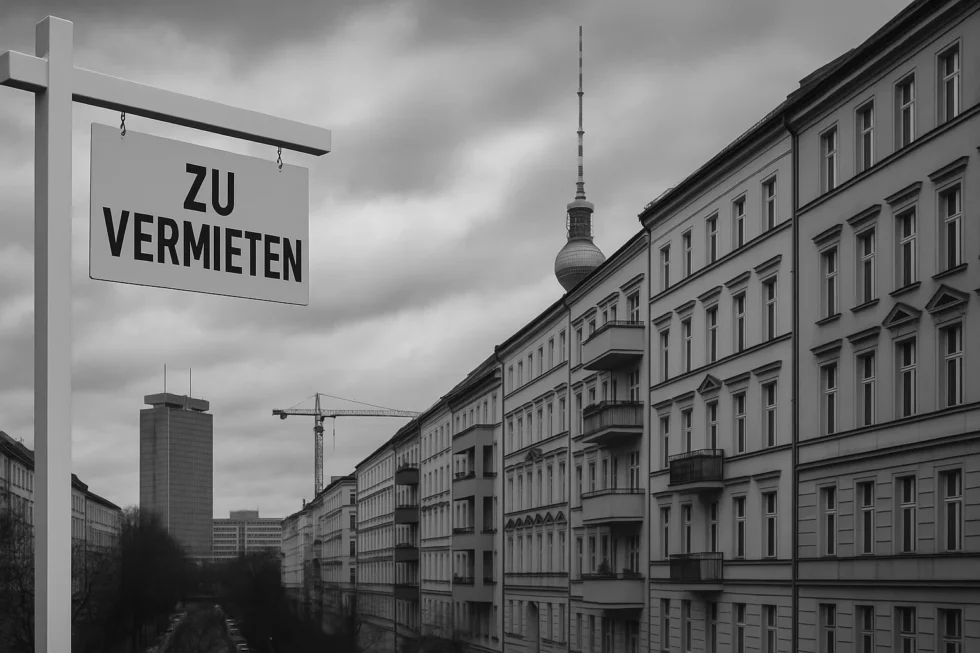
The Berlin Senate has approved an extension of the so-called Mietpreisbremse — a rent control measure introduced in 2015 to curb speculation and excessive price growth in the housing market. The new regulation will remain in effect until 31 December 2029, meaning that when a flat is newly rented out, the landlord still cannot charge more than 10 percent above the local reference rent (ortsübliche Vergleichsmiete).
The updated version takes effect on 1 January 2026 and is considered one of the longest rent-control frameworks in Germany’s housing history. According to the city’s Department for Urban Development and Housing (Senatsverwaltung für Stadtentwicklung, Bauen und Wohnen), since the measure was first introduced, average rent increases in several Berlin districts have been 10–15 percent lower than in comparable markets such as Munich or Hamburg. This was reported by NewsToday24, citing the official press release of the Berlin Senate Chancellery.
Oversight and real-world outcomes
Since the spring of 2025, Berlin has operated a dedicated Mietpreisprüfstelle — a rent monitoring office responsible for investigating tenant complaints. During its first six months, the unit registered around 200 cases of excessive rent demands, mostly in the central districts of Mitte and Friedrichshain-Kreuzberg. In several instances, landlords were required to refund overpayments.
Yet housing experts warn that loopholes remain. Flats undergoing major refurbishment or offered as furnished apartmentsare often exempt from the rent cap. According to the homeowners’ association Haus & Grund Berlin, the market for furnished rentals is expanding by 15–20 percent per year, undermining the effectiveness of the rule.
Political support and criticism
The extension has been backed by the SPD, Greens, and Left Party, all of which argue that the measure is essential in a city where 40 percent of residents spend more than one-third of their income on rent. Christian Gaebler (SPD), Berlin’s Senator for Building and Housing, called the decision “a necessary signal for stability and predictability in the housing market.”
The opposition CDU Berlin, however, criticizes the regulation as a “market freeze.” According to the party, strict rent limits discourage new construction and reduce supply. Figures from the Berlin Institute for Urban Economics show that in 2024, only 16 000 new flats were completed — far below the city’s annual need of 25 000 units.
The second part of the reform – the conversion ban
At the same time, the Senate extended the Umwandlungsverordnung, a decree prohibiting the conversion of rental units into privately owned apartments in buildings with five or more dwellings. This regulation will now apply until the end of 2030.
Official statistics from the Senate administration indicate that such conversions have dropped from around 30 000 cases per year to roughly 1 500, reflecting a significant reduction in displacement pressure on tenants.
What changes for tenants
- From 1 January 2026, new rental contracts may not exceed 10 percent above the local reference rent.
- Newly constructed or fully renovated apartments remain exempt from the limit.
- The conversion of rental housing into condominiums is banned until 2030.
- Tenants suspecting unlawful rent increases may file a complaint with the Mietpreisprüfstelle.
Is it enough
The Mietpreisbremse remains a symbol of Germany’s social housing policy and an emblem of tenant protection. But many experts caution that the measure alone cannot solve the structural problems of Berlin’s overheated housing market.
Without large-scale construction, investment incentives, and stricter controls on furnished rentals, the city risks remaining trapped between regulation and shortage. Berlin once again illustrates a central dilemma of German housing policy: how to contain rent prices without stifling construction.
Whether the extended rent cap will truly stabilize prices — or merely postpone another crisis — is the question that will define Berlin’s housing politics in the years ahead.
Stay connected for news that works — timely, factual, and free from opinion — and insights that matter now: Heavy traffic expected this weekend: Major congestion on Germany’s A3, A8 and A61