



Why it is cold on planes and night trains: how to choose a travel blanket and stay warm
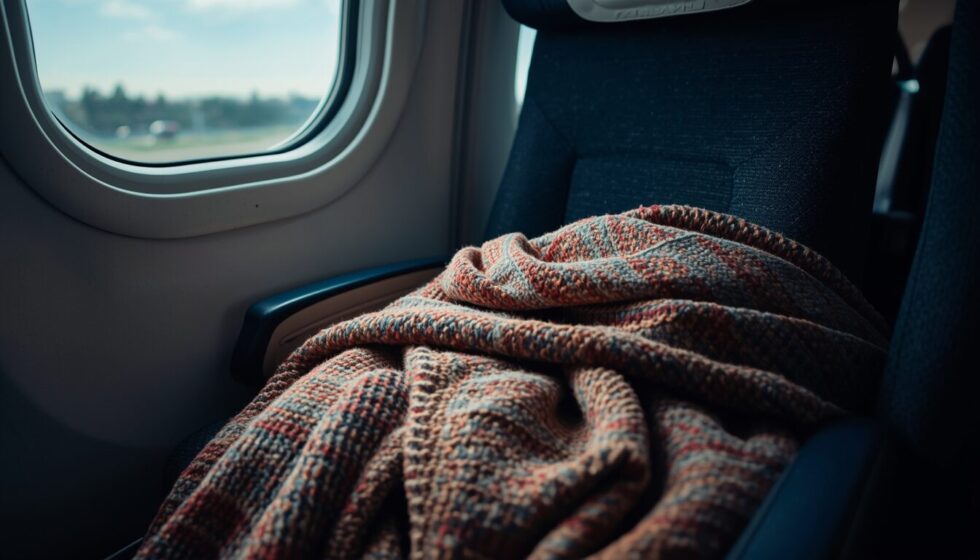
Cold on planes and night trains is a phenomenon caused by climate control systems designed to maintain air freshness and prevent bacterial growth. Statistics for 2025 indicate that over 60 percent of passengers experience thermal discomfort during long-haul travel due to the difference between cabin settings and personal metabolic rates. Cabin temperatures often hover between 18 and 22 degrees Celsius, which feels considerably colder when the body remains immobile for several hours. High-altitude environments and air conditioning in sleeper carriages are calibrated to keep the air dry, accelerating heat loss from the skin surface. Understanding the technical reasons for these temperature drops allows travelers to prepare effectively with the right gear and layering strategies. Quality thermal accessories have become essential for maintaining sleep quality and preventing post-travel fatigue. As NewsToday24 reports citing the mypacko, where we present travel blankets and accessories to protect against the cold on planes and overnight trains that passengers encounter during long-distance travel.
Reasons for low temperatures in aviation and rail transport
The primary reason for the chilly atmosphere inside an aircraft cabin is the necessity of maintaining low humidity and high oxygen circulation at high altitudes. Airlines often keep temperatures lower than residential settings to minimize the risk of passengers fainting or suffering from hypoxia in warm environments. In night trains, centralized cooling systems make it difficult for individual passengers to adjust the airflow in specific berths or compartments. Furthermore, the human metabolic rate drops significantly during sleep, reducing the body's internal heat production while external temperatures remain constant. Without physical movement, blood circulation to the extremities slows down, making feet and hands feel exceptionally cold. Modern ventilation systems also prevent carbon dioxide buildup, resulting in a continuous stream of cool air throughout the cabin. Travelers often underestimate this constant convection, which can lead to muscle stiffness and a weakened immune response. Choosing a dedicated travel blanket is a pragmatic solution to a technical environment that prioritizes safety over individual warmth.
Criteria for evaluating thermal efficiency in transport:
- Aircraft cruising altitude and external hull temperature effects
- Passenger density and collective body heat in the cabin
- Duration of the night journey and the drop in human metabolism
- Quality of insulation in train carriage walls and windows
- Airflow direction from personal ventilation nozzles above seats
- Humidity levels affecting the perception of cold on the skin
Characteristics of the best travel blankets for journeys
When selecting a travel blanket, the weight-to-warmth ratio is the most critical factor for passengers dealing with luggage weight limits in 2025. Traditional wool blankets provide excellent insulation but can be bulky and difficult to compress into a standard carry-on bag. Modern synthetic microfibers and fleece materials have become the preferred choice for frequent flyers due to their hypoallergenic properties. A high-quality travel blanket should be large enough to cover the body while remaining thin enough to fold into a compact pillow. Some specialized blankets feature integrated foot pockets or sleeves, which prevent the fabric from sliding off during deep sleep. It is also important to consider the breathability of the fabric to avoid overheating and subsequent sweating, which leads to feeling colder later. Many premium brands now offer blankets with silver-ion technology to prevent the accumulation of odors during multi-day trips. Forschungen zeigen that a well-chosen blanket can improve the duration of REM sleep by up to 30 percent in unstable environments.
Comparison of travel blanket materials and performance:
| Material Type | Insulation Level | Weight | Compactness | Best Use Case |
| Merino Wool | High | Moderate | Low | Long-haul night flights |
| Micro-Fleece | Moderate | Very Low | High | Short flights and buses |
| Down-Filled | Very High | Low | Excellent | Extreme cold in trains |
| Synthetic Blend | Moderate | Low | High | Universal budget option |
Effective layering and clothing strategies for night travel
Layering remains the most reliable method to combat the cold in planes and night trains without carrying excessive specialized equipment. The base layer should consist of moisture-wicking fabric that keeps the skin dry, as dampness increases body heat dissipation. A mid-layer made of natural fibers like cashmere or high-quality fleece provides the necessary air pockets for insulation. It is particularly important to protect the neck and ankles, as these areas have thin skin and lead to rapid heat loss. Compression socks not only prevent deep vein thrombosis but also provide an extra layer of warmth for the lower legs. Many experienced travelers recommend wearing a light, packable vest that can be easily removed if the cabin temperature fluctuates. Laut DAK-Report 2024 fühlen sich 38 % der Reisenden durch Klimaanlagen in Zügen und Flugzeugen gesundheitlich belastet. Avoiding heavy, restrictive clothing is also crucial for maintaining healthy blood circulation, the body's natural defense against freezing.
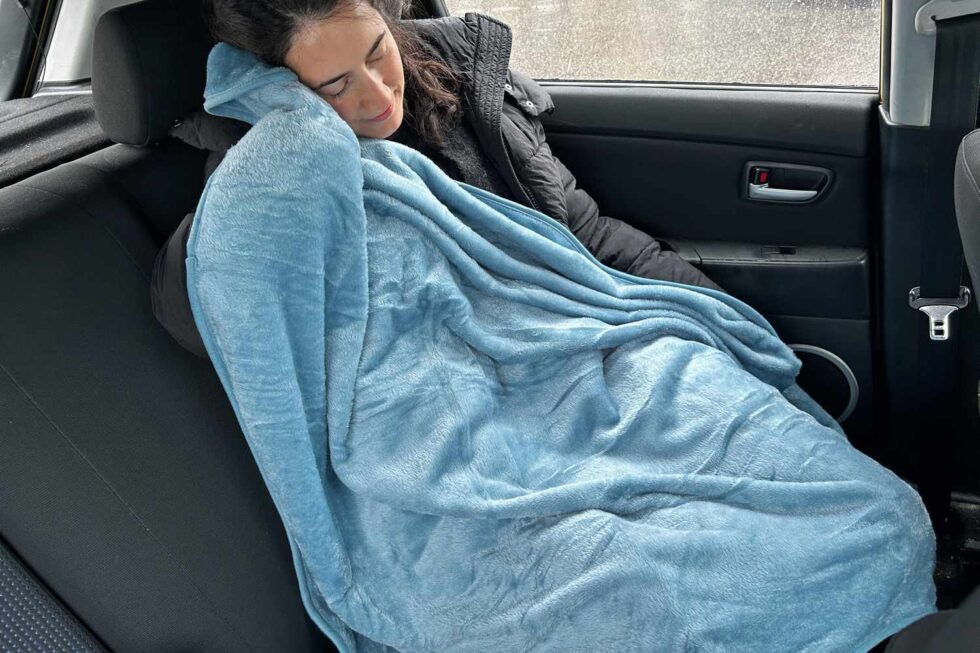
Essential clothing items for a comfortable night journey:
- Breathable base layer made of merino wool or tech fabric
- Soft pashmina or scarf to protect the neck and chest
- Lightweight thermal socks to keep extremities warm during sleep
- Comfortable hoody or sweater with a high collar for protection
- Loose-fitting trousers that do not restrict blood flow to legs
- Slip-on shoes or warm travel slippers for use inside the cabin
- Eye mask and earplugs to facilitate deeper, warmer sleep
Technical background and research on cabin climate control
Cabin climate control systems are among the most sophisticated pieces of engineering in modern transportation, balancing air pressure and filtration. Forschungen zeigen that the perceived temperature in an airplane is influenced by extremely low humidity, which rarely exceeds 15 percent. In 2025, new aircraft models like the Airbus A350 have improved systems that allow for slightly higher humidity and localized temperature control. However, the basic principle of keeping the cabin cool to prevent passenger discomfort remains standard across the aviation industry. In the rail sector, the transition to energy-efficient cooling means that systems often run at a constant rate regardless of passenger numbers. This can result in excessive cooling during the early hours of the morning when passenger activity is at its lowest. Understanding these systemic factors helps travelers realize that the cold is a byproduct of safety protocols. Scientific studies suggest that maintaining a slightly cool environment is optimal for respiratory health in recycled air systems.
Investing in quality gear ensures that travelers arrive at their destination rested rather than exhausted by the cold. A dedicated travel blanket and a smart layering system provide the best defense against the constant cooling of modern transport systems.
Stay connected for news that works — timely, factual, and free from opinion — and insights that matter now: String Lights for Wellness in Germany: A Scientific Guide to Better Lighting