



New Waste Bin Regulations 2026: When you could face fines up to 10,000 euros
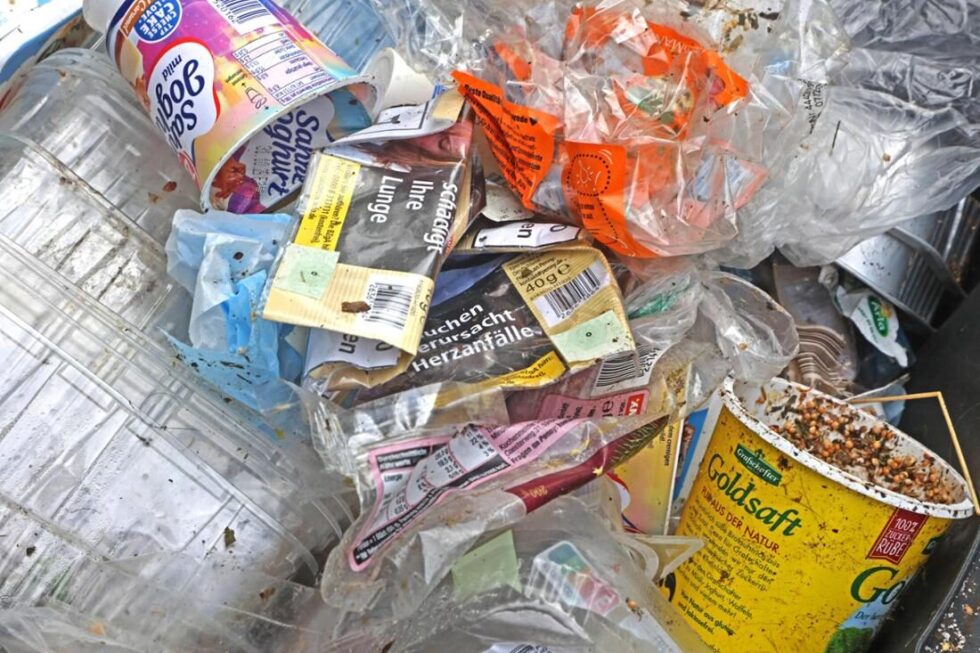
Waste bins and disposal systems across Germany are set for a digital revolution starting in 2026, directly impacting household budgets through strictly monitored separation rules. In pioneer cities like Heilbronn, traditional containers are being replaced by smart bins equipped with electronic identification chips that record every emptying process in real-time. According to 2025 waste management reports, these measures aim to drastically reduce residual waste volumes and push plastic recycling rates to 75 percent in line with EU mandates. Residents who continue to dispose of electronics or hazardous materials in standard bins risk facing heavy fines of up to 10,000 euros, as the new tracking technology allows authorities to trace violations back to specific households. The transition also includes a reduction in standard collection frequencies to twelve times per year, with additional pickups incurring extra costs. Both tenants and property owners must now adapt to this data-driven system to avoid a significant spike in their annual utility bills. As NewsToday24 reports citing bundesumweltministerium.
Digital Monitoring of Waste Bins via Smart Chip Technology
The introduction of identification chips allows municipalities to precisely monitor the disposal habits of every household and issue invoices based on actual usage. In Heilbronn, all residual and organic waste bins will be fitted with transponders by 2026, which are automatically scanned by the garbage truck during the lifting process. The basic fee structure will now only cover twelve collections per calendar year, making disciplined waste sorting an economic necessity for everyday life. Every additional use of the disposal service beyond this quota will cost 3.50 euros, significantly increasing expenses for those who fail to manage their waste volume effectively. In apartment complexes with ten or more units, the use of large communal containers is becoming mandatory to clear the city streets of cluttered individual bins. Property owners are now held directly responsible for their tenants' compliance with sorting regulations, as fines for errors will be billed to the property address. Local authorities expect this financial pressure to motivate citizens to separate valuable recyclables more consistently than ever before. Early pilot programs indicate that the mere presence of the chips encourages residents to reduce their waste output even before the official regulations take effect.
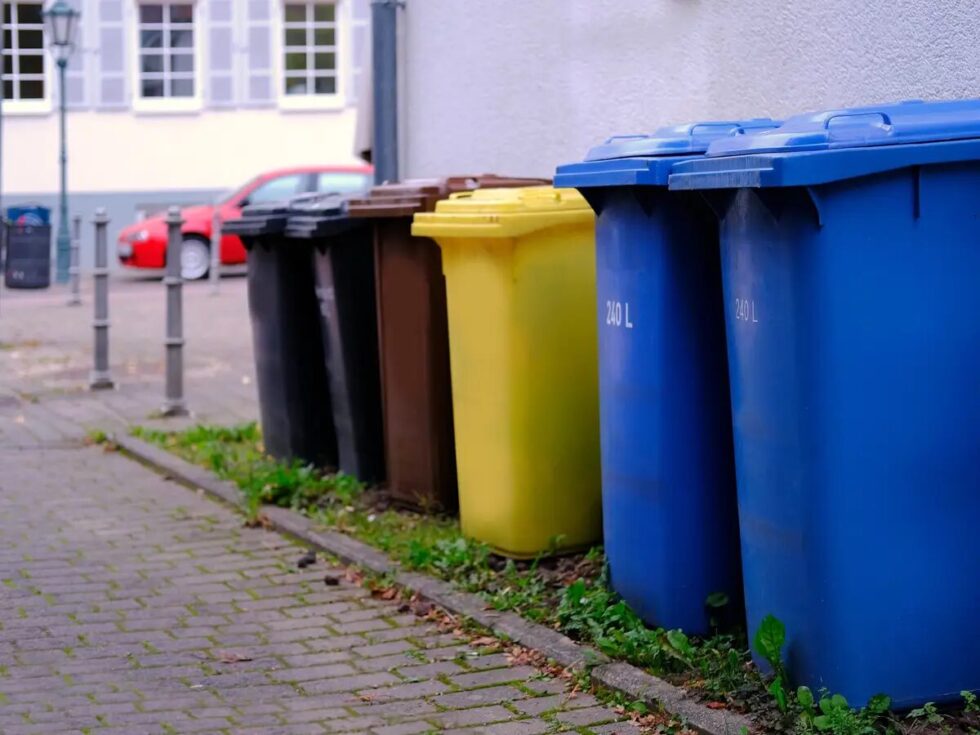
- Installation of electronic transponders on all waste containers to identify the payer.
- Reduction of the standard collection schedule to twelve inclusive pickups per year.
- Automatic registration of every emptying cycle with centralized billing to property owners.
- Surcharge of 3.50 euros for every collection exceeding the annual basic allowance.
- Mandatory transition to communal bins for large residential buildings to save urban space.
- Elimination of traditional paper tags and stamps due to the fully digital tracking process.
Severe Fines for Electronics and New EU Recycling Laws 2026
A central pillar of the new regulations is the strict ban on disposing of electronic devices in household bins, which can lead to fines of up to 10,000 euros if ignored. Since components like lithium-ion batteries pose extreme fire hazards in collection vehicles, enforcement of this rule will be stricter than ever starting in 2026. Simultaneously, the new EU Packaging Law takes effect in August 2026, requiring manufacturers to pay a minimum of five euros per ton of packaging to fund waste prevention programs. These funds are channeled directly into promoting reusable systems and optimizing recycling loops for plastics and metals. By 2028, recycling quotas for aluminum and iron are expected to rise by five percent to reduce the dependence on primary raw materials. For consumers, this means an increase in recyclable packaging but also higher financial liability for incorrect disposal choices. Authorities are relying on a combination of technical surveillance and heavy monetary sanctions to reach climate goals within the waste sector. Correct sorting is the only way to escape the drastically increased fees and penalties scheduled for 2026.
| Waste Type | 2026 Max Fine | Correct Disposal Route |
| Small Appliances (Toaster, Mixer) | 2,500 € | Recycling Center / Retailer |
| Smartphones & Tablets | 5,000 € | Specialized Trade Return |
| Large Appliances (Stoves, Fridges) | 10,000 € | Bulky Waste on Request |
| Batteries & Power Packs | Variable (Hazardous) | Supermarket Collection Boxes |
| Hazardous Materials (Paints) | 500 € | Mobile Hazardous Waste Unit |
The new rules for waste bins starting in 2026 require a complete shift in disposal habits to avoid fines and benefit from efficient recycling rates. Those who take the chip transition and EU mandates seriously will contribute to resource protection while safeguarding their own finances.
Stay connected for news that works — timely, factual, and free from opinion — and insights that matter now: New Vehicle Regulations in Germany 2026: Annual Inspection and Euro 6e Standard