



Germany Weather 2026: Arctic Cold Front to Impact New Year’s Eve Celebrations Tonight
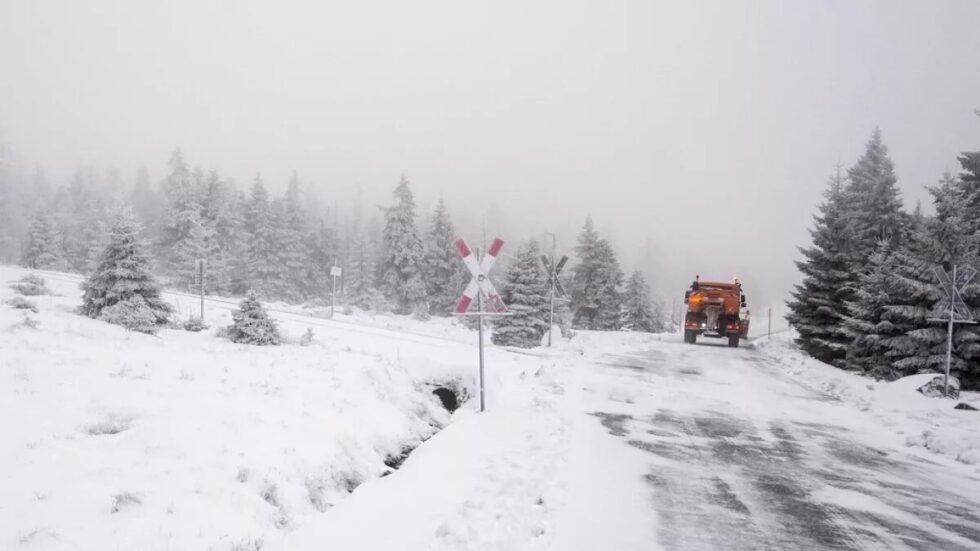
Germany is facing a dramatic weather shift as 2025 draws to a close, with a powerful cold front set to rewrite New Year’s Eve plans across the Federal Republic. While much of the country enjoyed a relatively mild December, the arrival of an Arctic air mass today, December 31, is bringing a sudden return to authentic winter conditions. Meteorologists are tracking a significant drop in temperatures that will sweep from the Baltic coast down to the Alpine regions before the stroke of midnight. This meteorological turning point is not just a local phenomenon but a nationwide event affecting everyone from Berlin to Munich. Travelers should be prepared for rapidly changing road conditions as rain turns to sleet and eventually snow in many northern and central elevations. The timing of this front is particularly critical for the millions of Germans planning to celebrate outdoors or commute to private parties. This is reported by the NewsToday24 editorial team, citing spectrumnews1.
Nationwide Temperature Drop and the Return of Winter Scenarios
The atmospheric transition across Germany today is marked by a sharp barometric decline that is pushing a cold front southward at a steady pace. In cities like Hamburg and Rostock, the morning dampness is already being replaced by crisp, freezing air, with temperatures expected to hover around the freezing point during the main celebrations. Statistics from the German Weather Service indicate that such rapid temperature swings can lead to a forty percent increase in black ice formation on untreated urban roads. For those in the southern states like Baden-Württemberg and Bavaria, the front will arrive slightly later, likely coinciding with the peak of the evening festivities. This creates a high-risk scenario for the traditional New Year's Eve fireworks displays, as wind gusts may also intensify along the leading edge of the front. Public transport operators in major hubs like Frankfurt and Cologne are already on high alert, preparing for potential delays due to the sudden onset of slippery tracks. The focus for all residents tonight should be on thermal insulation and cautious movement, whether on foot or behind the wheel.
Key weather impacts for German cities tonight:
- Northern Germany will see temperatures drop to between minus two and zero degrees Celsius by 20:00.
- Central regions including the Harz mountains should expect localized snowfall of up to five centimeters.
- Southern Germany remains slightly warmer until midnight when the cold front finally arrives with gusty winds.
- Coastal areas face a high wind chill factor making outdoor celebrations feel significantly colder than recorded.
- Black ice warnings are active for all secondary roads across the federal states of Hesse and Thuringia.
- Berlin and Brandenburg will experience a dry but freezing transition into the new year 2026.
- Munich and the Alpine foothills may see the first snowflakes of the year shortly after the fireworks.
- Visibility in the Rhine-Ruhr area could be compromised by a mix of fog and incoming precipitation.
Safety Measures for Outdoor Celebrations and Pyrotechnics
Given the incoming weather front, the use of New Year's Eve pyrotechnics requires extra caution due to unpredictable wind speeds accompanying the cold air. Many German cities have already established firework-free zones, but where lighting is permitted, the safety distance must be strictly observed to prevent accidents caused by sudden gusts. Local fire departments emphasize that the combination of freezing temperatures and wind can cause fireworks to drift off course, posing a threat to historic timber-framed buildings. According to recent safety audits, nearly thirty percent of minor injuries on Silvester are related to weather-influenced firework mishaps. It is highly recommended to wear windproof clothing and avoid high-proof alcohol, which can mask the initial signs of hypothermia in the freezing night air. For those attending large public events like the party at the Brandenburg Gate, early arrival is advised to navigate security and weather-related queues safely.
Practical advice for a safe Silvester night in Germany:
| Location Type | Weather Risk | Recommended Action |
| City Centers | High Wind Gusts | Secure loose items and stay clear of narrow alleys |
| Motorways (Autobahn) | Black Ice / Sleet | Reduce speed to 80 km/h during precipitation |
| Mountainous Areas | Heavy Snowfall | Ensure winter tires are fitted and carry a shovel |
| Coastal Promenades | Extreme Wind Chill | Use multi-layered clothing and face protection |
| Private Gardens | Flash Freeze | Salt pathways before the evening temperature drop |
The sudden arrival of winter on this final day of 2025 serves as a powerful reminder of nature's unpredictability during the German holiday season. While the cold front may complicate travel and outdoor plans, it also brings a picturesque, frosty atmosphere to the start of 2026. By staying informed through real-time weather updates and adjusting travel times to avoid the peak of the frost, residents can ensure a safe and memorable transition. The quiet, cold weather predicted for the first days of January will provide the perfect backdrop for a relaxed start to the new year.
Stay connected for news that works — timely, factual, and free from opinion — and insights that matter now: Arctic Blast Alert: Germany Braces for Most Intense Winter Phase in Years With Heavy Snow