



Investing in Energy 2026: Navigating the Slump in Fossil Fuel Prices and Carbon Taxes
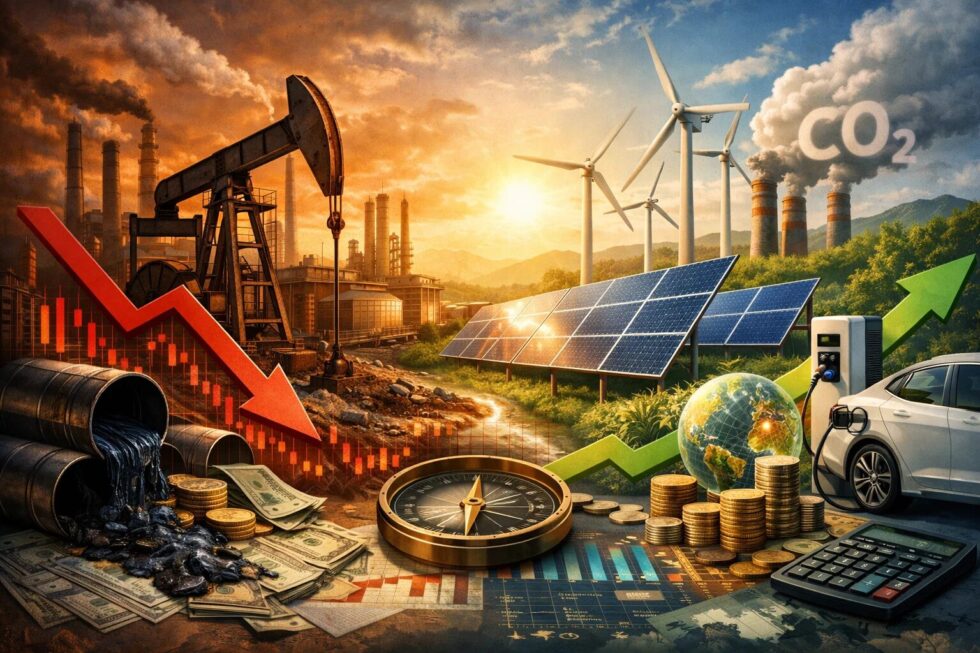
Energy prices for oil and gas are reaching a critical crossroads in 2026, offering a strategic window for both industrial consumers and households. After a significant slump in fossil energy costs, a new market equilibrium is emerging, driven by a global supply glut and the full operational capacity of European infrastructure. In Germany, the energy landscape has stabilized as the North Sea LNG terminals now provide a consistent buffer against supply shocks. While crude oil remains under pressure due to record production in the Americas, natural gas prices have settled at a level that provides long-term planning security for the manufacturing sector. This shift marks a transition where geopolitical leverage is being countered by diversified supply chains and increased storage efficiency across the continent. This is reported by NewsToday24 editorial team, citing handelsblatt.
Market Stability and the Impact of Global Supply Surpluses
The global oil market is facing a massive challenge in 2026 as production from non-OPEC nations reaches historic highs. Analysts project a surplus of up to two million barrels per day, potentially driving Brent crude prices toward the 50-dollar mark. This downward pressure is exacerbated by a strategic shift within OPEC+, as member states prioritize market share over artificial price supports. Consequently, fuel prices at the pump have stabilized, providing a much-needed cooling effect on global inflation rates. However, the rising cost of carbon permits continues to act as a floor for retail prices, ensuring that the transition to renewables remains economically relevant. For businesses, this environment offers a unique opportunity to hedge energy costs while investing in decarbonization technologies. The era of extreme volatility appears to be replaced by a phase of controlled pricing, provided that major geopolitical flashpoints remain contained. Market participants are closely watching the balance between US shale output and the demand recovery in emerging Asian economies.
Key factors influencing the 2026 energy market include:
- Record-breaking crude oil production from the United States, Brazil, and Guyana.
- A strategic pivot by OPEC+ to gradually phase out voluntary production cuts.
- The full operational integration of German LNG terminals in Wilhelmshaven and Brunsbüttel.
- High natural gas storage levels across Europe entering the 2026 heating season.
- A decline in Chinese diesel demand due to the rapid adoption of electric heavy-duty vehicles.
- Long-term LNG supply contracts providing a 30 percent price discount for major industries.
- The increasing impact of national carbon pricing on the final cost of heating oil.
- Geopolitical stability in transit corridors ensuring uninterrupted energy flows.
Natural Gas Trends and the Evolution of Infrastructure
The natural gas sector in 2026 has entered a period of relative calm, with TTF benchmark prices hovering around 30 euros per megawatt-hour. This stabilization is largely due to the massive expansion of global liquefaction capacity in Qatar, Canada, and the United States. In Germany, the infrastructure is now robust enough to handle total demand even in the event of severe winters, thanks to a network of floating and permanent terminals. Industrial giants in the chemical and steel sectors are leveraging these stable prices to restart projects that were mothballed during the 2022-2024 crisis. Furthermore, the German government’s power plant strategy is moving forward, with the first hydrogen-ready gas turbines being integrated into the grid to ensure reliability. While fossil gas remains a bridge technology, its role is increasingly defined by its ability to back up intermittent renewable sources. The convergence of global gas prices is creating a more competitive environment for European manufacturers who previously faced a significant energy disadvantage.
Energy Market Projections for 2026:
| Energy Commodity | 2026 Price Forecast (Avg) | Trend vs. Previous Year |
| Brent Crude Oil | approx. 55 USD / Barrel | Bearish (-12%) |
| Natural Gas (TTF) | approx. 30 EUR / MWh | Stable (-3%) |
| Heating Oil | approx. 92 Cent / Liter | Slightly Bearish |
| Carbon Price (EU ETS) | approx. 85 EUR / Tonne | Bullish (Legislative) |
| Diesel Fuel (Avg) | approx. 1.62 EUR / Liter | Sideways Movement |
The fossil fuel era is experiencing a period of affordability in 2026, yet the underlying trend toward electrification remains the primary driver of long-term investment. Strategic energy management today involves utilizing these lower costs to finance the transition to green alternatives, ensuring resilience against future price cycles.
Stay connected for news that works — timely, factual, and free from opinion — and insights that matter now: How to sell an apartment in Germany: BaFin tightens restrictions on N26: what the crackdown means for customers and the bank