



Samsung Galaxy S26 Ultra: AI, Privacy Display and power — why 2026 marks a turning point
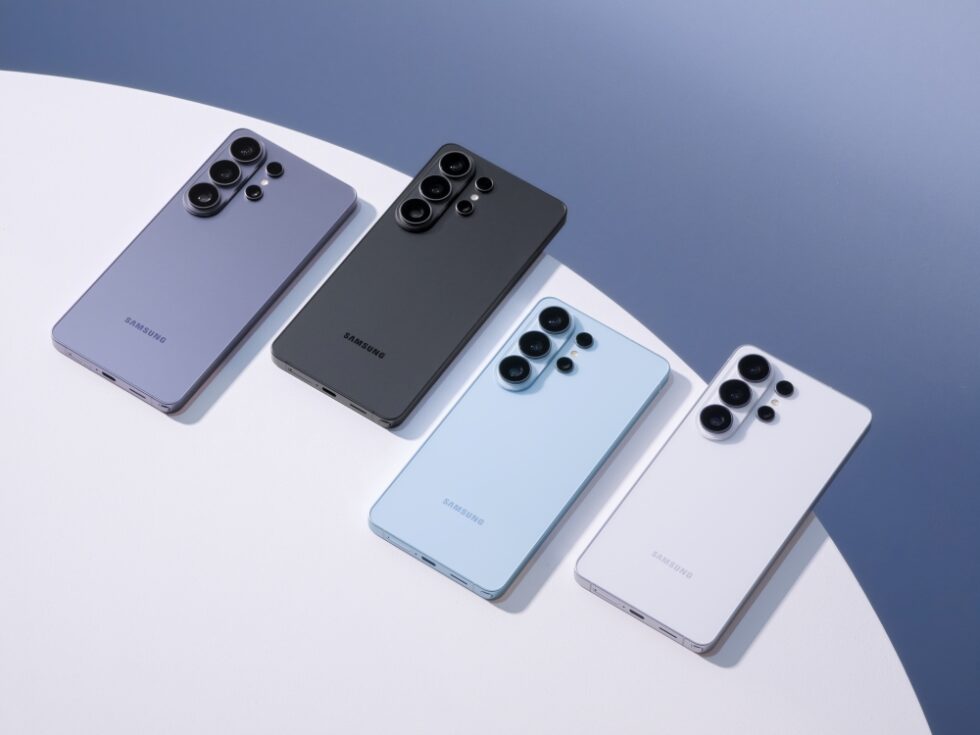
When Samsung unveiled the Samsung Galaxy S26 Ultra in February 2026, the launch was presented not as a routine annual upgrade, but as a strategic statement about the future of smartphones. Announced at a moment when the premium mobile market is showing clear signs of saturation, the device was positioned as a response to a deeper industry shift — one in which artificial intelligence is no longer a visible feature to be activated, but an ambient system operating quietly in the background of daily life.This reports NewsToday24citing westminsterpimliconews.
For more than a decade, smartphone progress has been measured through incremental improvements: higher refresh rates, faster processors, additional camera lenses. By the mid-2020s, however, these gains have begun to deliver diminishing practical returns for most users. Samsung’s response with the Galaxy S26 Ultra is not to accelerate the same race, but to redefine its direction. Instead of asking what a smartphone is capable of doing, the company reframes the question around effort — how much cognitive, physical and procedural input a user should need to achieve a result.
This shift from feature accumulation to outcome optimisation underpins the entire Galaxy S26 Ultra concept. From its approach to on-device AI and privacy-first display technology to its thermal design, security architecture and long-term software support, the device reflects a broader rethinking of what a flagship smartphone is expected to deliver in 2026 — not more noise, but more autonomy.
From “smart” to “anticipatory”: the evolution of Galaxy AI
Samsung describes the Galaxy S26 line as its third generation of AI phones. That label matters. Early AI features in smartphones were reactive: voice assistants waiting for commands, photo tools activated manually, automation hidden behind settings menus. On the S26 Ultra, Galaxy AI is designed to operate continuously and contextually, reducing the number of explicit actions required from the user.
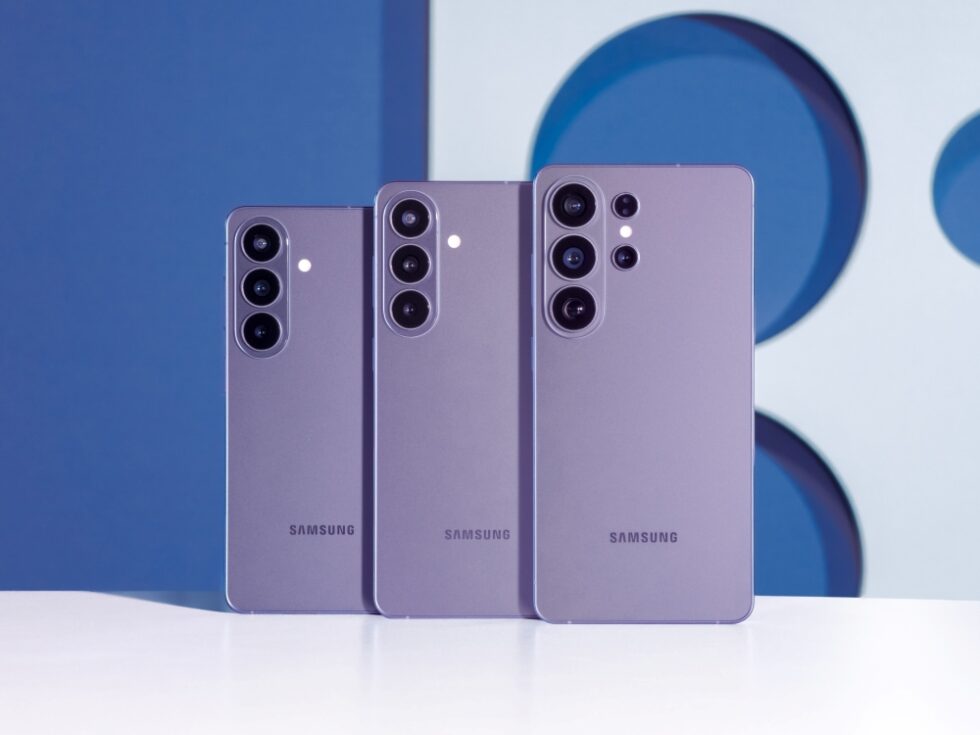
The system analyses on-device signals — calendar entries, recent activity, location context and usage patterns — to anticipate intent. This is not presented as a talking assistant or chatbot, but as a quiet orchestration layer. When a message arrives about a meeting, the phone checks for scheduling conflicts automatically. When a contact asks for photos from a recent trip, relevant images are surfaced without a manual search. Documents scanned with the camera are cleaned, organised and compiled into PDFs without intervention. Crucially, Samsung emphasises that much of this processing happens locally. The aim is not simply speed, but trust — a recurring theme throughout the S26 Ultra narrative.
Performance redefined: why raw power alone no longer matters
At the heart of the Galaxy S26 Ultra is a customised version of Qualcomm’s Snapdragon 8 Elite Gen 5 for Galaxychipset. Samsung highlights three performance metrics: a 19% increase in CPU performance, a 24% uplift in GPU capability, and a 39% boost in neural processing (NPU) compared with the previous Ultra generation.
These figures are impressive, but they are not the headline. What matters more is how the performance is sustained. AI workloads are continuous, not burst-based. Tasks such as language processing, image analysis and predictive automation run persistently in the background. To support this, Samsung has redesigned the Ultra’s thermal architecture, introducing a larger vapour chamber with improved heat distribution across the device chassis. The effect is subtle but significant. The S26 Ultra does not feel faster in isolated moments; it feels consistent. There is no sudden throttling during video capture, gaming or multitasking — a problem that has plagued even premium devices in recent years.
Display innovation: privacy as a hardware principle
Perhaps the most consequential innovation in the Galaxy S26 Ultra is its integrated Privacy Display, described by Samsung as the first of its kind in a mobile device. Unlike removable privacy filters or software-based viewing restrictions, this system is embedded directly into the display panel itself.
Using pixel-level control of light dispersion, the display limits visibility from side angles while maintaining full brightness, clarity and colour accuracy for the user viewing the screen head-on. The technology can be activated automatically in sensitive situations — such as entering passwords, accessing financial apps or displaying notifications — or manually, depending on user preference. This matters because it reframes privacy not as an optional accessory, but as a core property of the device. In public environments — trains, cafés, airports — smartphones have become increasingly exposed surfaces. Samsung’s solution is not perfect, but it signals a broader industry shift: privacy is no longer just a software problem.
Camera systems: less spectacle, more control
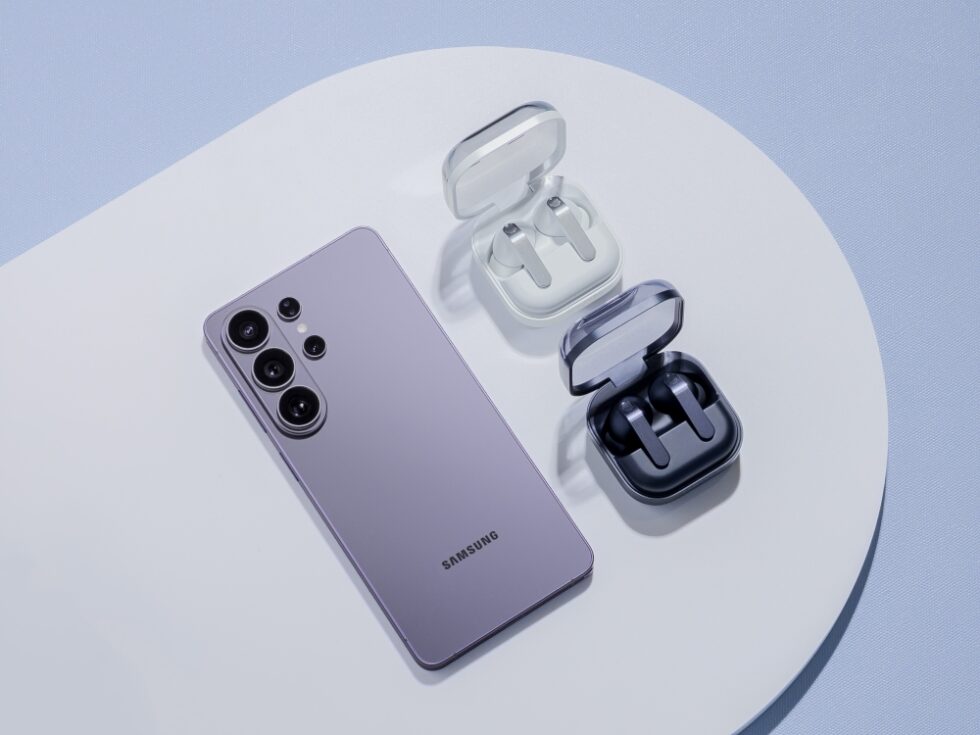
Samsung has long been associated with high-resolution smartphone cameras, and the S26 Ultra continues that tradition with a 200-megapixel main sensor. This time, however, the emphasis is not on pixel count, but on light.
The primary camera features a wider aperture, allowing significantly more light to reach the sensor. Samsung claims up to a 47% improvement in light intake compared with the previous generation. In practical terms, this translates into clearer low-light images, more usable zoom shots at night, and better colour consistency in mixed lighting.
Video sees equally important changes. The introduction of the APV codec, designed for visually lossless compression, places the S26 Ultra closer to professional production workflows than any previous Galaxy device. This is complemented by enhanced stabilisation, including a horizontal lock mode that maintains framing during movement — a feature aimed squarely at creators rather than casual users. Selfie cameras also benefit from improved AI image signal processing, with more natural skin tones and better detail retention under challenging lighting conditions.
Editing without expertise: AI as a creative equaliser
The S26 Ultra’s camera story does not end with capture. Samsung has invested heavily in making editing feel less technical and less final. With the updated Photo Assist suite, users can describe changes in natural language — altering lighting, removing objects or restoring missing image elements.
Edits are non-destructive and reversible, encouraging experimentation rather than caution. Creative Studio extends this approach by consolidating image generation, editing and customisation into a single workflow. The result is a system designed not for professionals alone, but for users who want polished output without specialised skills.
A layered approach to security in the AI era
As smartphones become more personalised, the consequences of data breaches grow. Samsung’s response is a multi-layered security architecture that combines hardware isolation, encryption and user transparency. At the hardware level, Knox Vault isolates sensitive data such as biometric information and encryption keys. Knox Enhanced Encrypted Protection encrypts application data individually, while post-quantum cryptography is applied to system verification and firmware protection — a forward-looking move aimed at future threat models.
Software features complement this foundation. AI-powered call screening identifies unknown callers and summarises intent. Privacy alerts notify users when applications attempt to access sensitive permissions unnecessarily. A Private Album function allows photos and videos to be hidden without external accounts or cloud dependencies. Together, these elements form one of the most comprehensive security frameworks currently offered on a consumer smartphone.
Longevity as a value proposition
One of the most striking commitments attached to the Galaxy S26 Ultra is Samsung’s promise of seven years of operating system and security updates. This is not merely a technical detail; it is an economic and environmental statement. Longer support cycles encourage users to keep devices longer, reducing electronic waste and increasing long-term value. For enterprise users and professionals, predictable update timelines also simplify device management and security planning.
Specifications at a glance — Galaxy S26 Ultra
| Category | Details |
|---|---|
| Display | 6.9-inch QHD+ Dynamic AMOLED 2X, 1–120Hz |
| Processor | Snapdragon 8 Elite Gen 5 for Galaxy |
| Camera | 200MP main, quad-camera system |
| Battery | 5,000mAh |
| Charging | Up to 75% in ~30 minutes |
| OS | Android 16 with One UI 8.5 |
| Security | Privacy Display, Knox, PQC |
| Protection | IP68 |
| Updates | 7 years OS & security |
The broader picture: what the S26 Ultra represents
The Galaxy S26 Ultra is not designed to dazzle in a shop window. Its most important features — privacy controls, background automation, thermal stability — are largely invisible. That is precisely the point.
Samsung is betting that the next phase of smartphone adoption will be defined not by novelty, but by trust, predictability and reduced cognitive load. In that sense, the S26 Ultra is less about what users notice, and more about what they no longer have to think about. For 2026, that may prove to be the most radical innovation of all.
Stay connected for news that matters — timely, factual, and free from bias. Read trusted updates from Berlin, Ukraine, and around the world: Lego smart bricks at CES 2026: how new smart bricks change play without smartphones