


Remote Jobs in Germany: Work From Home Professions, Weekly Payments and Where to Find Online Work
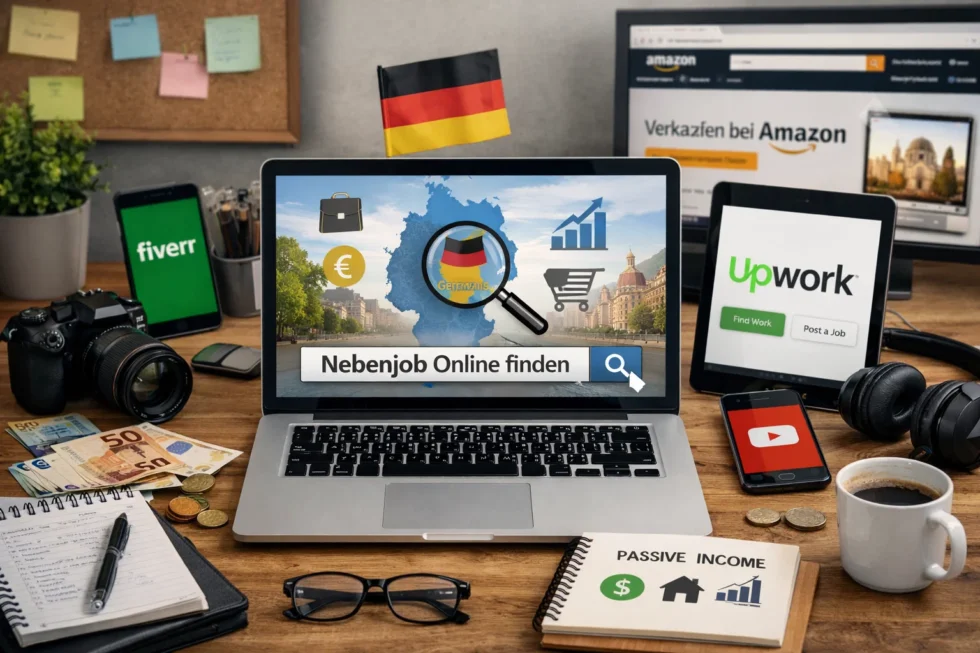
Online work in Germany and additional income opportunities in 2026 are becoming an increasingly visible part of the labour market as digital technologies and international platforms reshape traditional employment models. A growing number of professionals now perform their work entirely online, collaborating with companies and clients across different countries without the need to enter a physical office. Germany, supported by strong digital infrastructure and a dynamic freelance sector, has emerged as one of Europe’s key hubs for remote employment, including remote work from home in fields such as streaming, digital marketing, webcam modelling, online entertainment and other forms of internet-based services. Cloud-based collaboration systems, international freelance marketplaces and advanced communication tools allow specialists in areas such as programming, marketing, media, design and customer support to build careers from home while also creating additional income streams. What only a few years ago was considered a marginal or temporary form of employment has by 2026 evolved into a stable and expanding segment of the digital economy.
Germany is among the European countries where remote employment has expanded rapidly in recent years. Technology firms, media organisations, start-ups and international digital platforms increasingly recruit specialists who work entirely from home. Strong internet infrastructure, developed digital services and an active freelance market have created conditions in which remote work is not only feasible but often competitive with traditional office jobs. At the same time, many people are actively searching for remote jobs from home with stable income and weekly payments. Such opportunities attract freelancers, international professionals, students and migrants who are looking for flexible working structures. In many cases, digital platforms allow individuals to begin earning income without relocating or committing to a fixed office schedule. Today a person living in Germany can collaborate with clients in the United States, the United Kingdom or Asia while working entirely from home. This trend reflects the growth of the so-called platform economy, in which digital services connect workers and employers globally and create new opportunities for online careers.
Why remote work has become a major labour trend in Europe
Remote work did not appear overnight. The trend has developed gradually over the past decade as companies invested in digital tools that allow teams to operate across borders and time zones. One of the most important drivers of this transformation has been the development of cloud-based collaboration software. Platforms such as project management tools, communication applications and video conferencing services allow companies to coordinate distributed teams with relative ease. As a result, employers are increasingly comfortable hiring specialists who live in different countries.
Another factor is the rapid growth of digital platforms that connect freelancers and companies. These platforms act as marketplaces where businesses publish projects and independent professionals compete for contracts. Payments, communication and work delivery are all handled through the platform infrastructure.
The shift in workplace culture has also played a major role. Many professionals now prioritise flexibility, independence and work-life balance. Working from home eliminates commuting time and allows individuals to organise their schedules more efficiently. According to data from European statistical agencies, the number of people working remotely in the European Union has increased significantly in recent years. In some sectors such as technology, marketing and digital media, remote employment has become a standard practice rather than an exception.
Where to find remote jobs in Germany and Europe
For newcomers to remote work, the most common question is where to actually find reliable opportunities. Unlike traditional employment, where vacancies are typically posted on national job boards, remote work is concentrated on global digital platforms. Several types of platforms dominate the remote labour market.
International freelance marketplaces
These platforms connect companies with independent professionals who work on short-term or project-based contracts. Popular platforms include:
- Upwork
- Fiverr
- Freelancer
- PeoplePerHour
Clients publish projects related to design, programming, marketing, translation, data analysis or writing. Freelancers submit proposals, negotiate terms and complete projects online.
Remote job boards
These websites specialise in full-time remote positions offered by international companies. Examples include:
- Remote OK
- We Work Remotely
- FlexJobs
Many technology start-ups, SaaS companies and digital agencies recruit through these platforms when looking for remote employees.
Content creation platforms
Writers, educators and media creators increasingly use platforms where audiences pay for access to digital content. Well-known platforms include:
- Substack
- Patreon
- Medium Partner Program
These services allow authors and creators to earn revenue through subscriptions, memberships and advertising.
Streaming and interactive platforms
Another rapidly growing segment of online work is live streaming and digital entertainment. Platforms such as Twitch, Kick or interactive streaming services allow creators to build audiences and monetise their broadcasts through subscriptions and donations.
The diversity of platforms means that individuals can build careers in very different sectors of the digital economy.
The most in-demand remote professions in Europe
The remote economy has created a wide range of professions that can be performed entirely online. Some of them require specialised training, while others can be learned through short courses and practical experience.

IT specialists and software developers
Software engineers, web developers and cybersecurity experts remain among the most highly demanded remote professionals in Europe. Technology companies often recruit developers regardless of geographic location, focusing instead on technical skills and project experience. Developers work on building applications, maintaining digital infrastructure and developing new online services. Many projects are managed remotely, making the technology sector particularly well suited for distributed teams. Experienced developers can earn several thousand euros per month through freelance contracts or remote employment agreements.
Digital marketing specialists
As businesses move online, the demand for digital marketing professionals has grown rapidly. Companies need experts who can help them attract customers through search engines, social media and digital advertising. Search engine optimisation (SEO) specialists analyse search algorithms and optimise websites to improve visibility in Google results. Social media managers develop content strategies for platforms such as Instagram, LinkedIn or TikTok. These roles are typically performed remotely because marketing campaigns are managed entirely through online platforms.
Content creators and journalists
The demand for digital content continues to grow as companies compete for attention in the online environment. Journalists, copywriters, editors and bloggers produce articles, reports, newsletters and multimedia content. Many online publications and media companies hire freelance writers who work remotely and deliver articles from different locations. Independent creators also publish their own content through blogs, newsletters or podcast platforms.
Online customer support specialists
Customer support has increasingly shifted from physical call centres to remote digital teams. Many companies now hire customer support agents who work from home and assist clients via chat, email or video calls. The role requires communication skills, language proficiency and the ability to manage customer requests through digital support systems.
Streamers and online entertainers
Live streaming has developed into a major segment of the digital entertainment industry. Streamers broadcast gaming sessions, educational content, music performances or conversational shows to global audiences. Viewers support creators through donations, subscriptions and virtual gifts. Successful streamers often combine entertainment with community building, creating interactive experiences for their audiences.
Live streaming as a growing digital industry
The streaming economy has expanded rapidly over the past decade as video technology and broadband internet improved. Millions of viewers now watch live broadcasts daily across multiple platforms. Live streaming covers a wide variety of formats including:
- gaming streams
- educational tutorials
- talk shows and discussions
- music performances
- lifestyle content
Platforms provide monetisation tools such as paid subscriptions, tipping systems and advertising revenue. For some creators, streaming evolves from a hobby into a full-time profession. Large audiences can generate substantial income, particularly when creators combine subscriptions, sponsorships and platform payments.
Webcam streaming as part of the platform economy
Another segment of the streaming industry includes webcam platforms where creators interact with viewers in real time. These platforms operate on a token-based system where viewers purchase digital credits to access live interactions or private sessions. One distinctive feature of webcam platforms is that many creators work independently from home without the need for a physical studio. Individuals can broadcast from personal spaces using basic video equipment and internet connections.
The audience on these platforms is international, which means creators often interact with viewers from multiple countries. Payments are usually processed through platform wallets and then transferred to creators through various payment systems. Because of the global audience and flexible schedules, some individuals use webcam streaming as an additional income source alongside other digital work.
How payments work in online professions
One of the advantages of platform-based work is the flexibility of payment systems. Traditional employment typically involves monthly salaries, but online platforms often provide more frequent payout options. Common payment schedules include:
- weekly payments
- bi-weekly payments
- on-demand withdrawals
Digital platforms support several payment methods:
- international bank transfers
- PayPal
- Payoneer
- digital wallets
- cryptocurrency payments
These systems allow freelancers to access their earnings more quickly than in many traditional employment structures.
How much remote workers can earn
Income in remote professions varies widely depending on experience, specialisation and workload. While beginners may initially earn modest amounts, experienced freelancers often build substantial revenue streams. Approximate monthly earnings for several professions are shown below.
| Profession | Average monthly income |
|---|---|
| freelance designer | €1,500 – €4,000 |
| SEO specialist | €2,000 – €6,000 |
| live streamer | €1,000 – €7,000 |
| blogger or content creator | €500 to €10,000+ |
In some cases, successful online professionals earn more than traditional office employees, particularly when they work with international clients.
Why many professionals prefer working from home
The appeal of remote work extends beyond financial considerations. Many professionals choose remote careers because they offer greater autonomy and flexibility. Working from home eliminates commuting time and allows individuals to organise their daily routines more efficiently. It also enables people to combine work with travel, education or family responsibilities. Key advantages include:
- flexible working schedules
- location independence
- the possibility of working with international clients
- reduced commuting costs
- greater control over workload and income
For younger professionals and digital entrepreneurs, these benefits often outweigh the security of traditional office employment.
Skills required for a successful remote career
Although many online professions are accessible to beginners, long-term success depends on developing a set of essential skills. Important competencies include:
- digital literacy and technical skills
- effective communication
- self-discipline and time management
- foreign language proficiency
- the ability to work with online platforms
These skills form the foundation of modern digital careers and allow professionals to compete in the global labour market.
How the labour market may evolve in the coming years
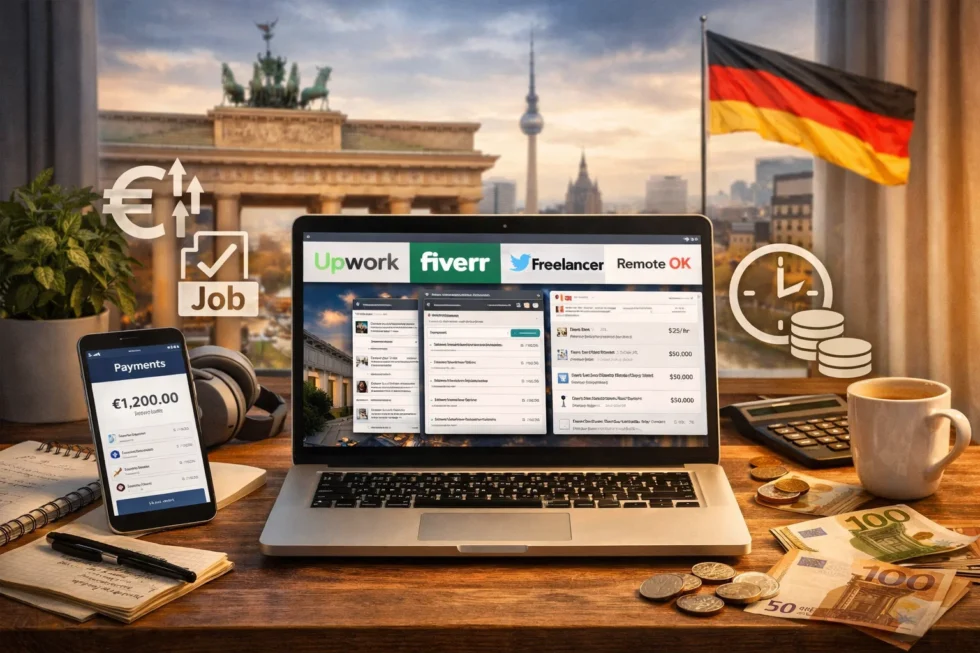
Experts expect remote work to continue expanding as artificial intelligence, automation and digital collaboration technologies reshape the global economy. Companies are increasingly building distributed teams where employees work from different countries but collaborate through online systems. This model allows businesses to access talent worldwide while reducing operational costs.
Industries expected to see further remote growth include:
- digital marketing
- online education
- software development
- creative industries
- media and content production
Remote work is no longer a temporary trend. It is gradually becoming a permanent feature of the modern labour market, where geographic location plays a much smaller role in determining professional opportunities.