



Nebenkosten Deutschland: Why Hidden Rental Costs Are Reshaping Renting in Germany
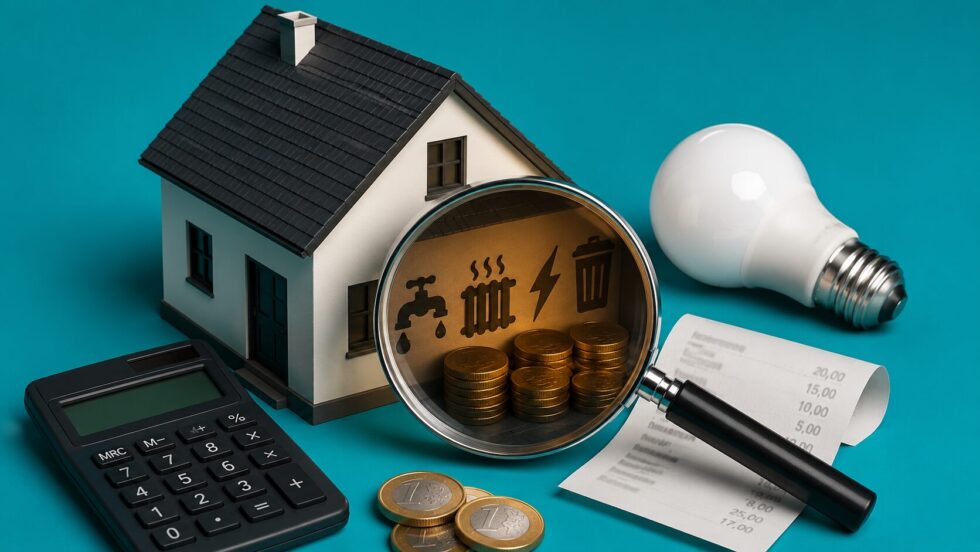
Nebenkosten Deutschland have become one of the biggest financial concerns for tenants across Germany in 2026 as heating, water, insurance and building service charges continue to rise faster than many cold rents. In major cities such as Berlin, Frankfurt, Munich and Hamburg, renters are increasingly discovering that the advertised Kaltmiete often represents only part of the true monthly housing burden, while the final Warmmiete can exceed initial expectations by several hundred euros. Housing associations, tenant organisations and property analysts say many households now underestimate the real scale of operational costs linked to German apartments, especially in older buildings with central heating systems, elevators and rising maintenance expenses. According to current German tenant data and cost analyses, average Nebenkosten now often range between €2.67 and €2.88 per square metre monthly, while some buildings exceed €4 per square metre once heating and additional services are included. In the middle of the widening debate around affordability, transparency and billing errors, NewsToday24 reports that Nebenkosten are no longer viewed as secondary charges by many tenants but increasingly as the decisive factor determining whether a property remains financially manageable.
For many international renters and even German residents signing new contracts, the complexity of the system creates additional risks. German rental agreements frequently separate Kaltmiete, Nebenkosten and energy costs into different categories, while annual utility statements can lead to unexpected Nachzahlungen months later. Tenant protection organisations continue warning that a significant share of annual operating cost statements contain calculation mistakes or legally questionable charges. Energy inflation after recent market disruptions, rising municipal taxes and increased insurance costs have amplified pressure on both landlords and tenants, especially in densely populated urban regions where building infrastructure costs remain high. At the same time, Germany’s housing shortage has weakened the negotiating position of renters, meaning many accept contracts with limited scrutiny of operating cost clauses.
What Nebenkosten Deutschland Actually Include in 2026
In Germany, Nebenkosten are legally defined operational costs connected to the ongoing use and maintenance of a residential building. These are regulated mainly through the Betriebskostenverordnung, the national ordinance governing allocatable operating expenses. The structure differs significantly from systems in countries where utilities are bundled into a single rent figure. In German rental practice, tenants usually pay an advance every month, followed by a yearly reconciliation called the Nebenkostenabrechnung. This annual statement determines whether the tenant receives money back or owes additional payments.
The largest cost category remains heating and hot water, particularly in older buildings dependent on gas or district heating systems. Water supply, wastewater charges and garbage collection are also major components. In apartment complexes, elevators, hallway electricity, winter services and building cleaning further increase monthly totals. Many tenants underestimate how quickly smaller service categories accumulate into substantial yearly obligations. Even seemingly minor line items such as garden maintenance or smoke detector servicing can significantly affect annual calculations in larger properties.
German tenant associations have repeatedly warned that tenants should carefully verify whether all listed items are legally transferable. Administrative costs and repair work, for example, are generally not allowed to be shifted onto renters. Yet disputes over unclear invoices remain common across the country.
Most common Nebenkosten categories in Germany
| Cost category | Usually payable by tenant | Typical impact |
|---|---|---|
| Heating and hot water | Yes | Highest expense |
| Water and sewage | Yes | Medium to high |
| Garbage collection | Yes | Moderate |
| Elevator maintenance | Yes | Higher in large buildings |
| Building insurance | Yes | Rising in 2026 |
| Property tax | Yes | Increasing after reforms |
| Repairs and maintenance | Usually no | Frequent dispute |
| Administrative fees | No | Cannot usually be transferred |
Recent German housing data show that heating alone can account for nearly half of all Nebenkosten in many apartments, particularly during winter periods with elevated energy prices.
Why German Tenants Are Paying More Than Expected
One of the central reasons behind the increase in Nebenkosten Deutschland is the structural rise in utility-related expenses since the European energy crisis. While wholesale gas prices partially stabilised compared with previous peaks, many long-term supplier contracts, infrastructure costs and district heating systems remain expensive. Insurance premiums for residential buildings have also increased following climate-related damages and inflation in construction costs.
Municipal charges are another important factor. Waste disposal, sewage management and public infrastructure fees differ widely between German cities and regions. Older residential buildings with outdated insulation or inefficient heating systems often create especially high monthly burdens for tenants because energy losses directly translate into larger heating allocations.
At the same time, Germany’s property tax reform is gradually affecting operating cost calculations in numerous federal states. Landlords in some regions are passing higher Grundsteuer-related expenses through legally permitted mechanisms, adding further pressure on renters already facing elevated housing prices.
Several housing analysts note that the psychological problem is equally important: many apartment listings continue highlighting only the cold rent, while Nebenkosten appear secondary during the initial search process. In reality, the monthly financial difference between two apartments can depend more on building efficiency and service structure than on base rent alone.
Typical warning signs before signing a rental contract
- Very low advertised Nebenkosten in old buildings
- Missing details about heating systems
- No previous Nebenkostenabrechnung available
- Unclear wording regarding “sonstige Kosten”
- High elevator or concierge charges in luxury complexes
- District heating without historical consumption data
- Recently renovated buildings with unclear service contracts
German tenant organisations say prospective renters should always request previous utility statements before signing long-term leases whenever possible.
The Hidden Costs Many Renters Notice Too Late
Many renters only fully understand the scale of Nebenkosten after receiving the first annual reconciliation. This usually happens once a year and can produce substantial additional payments known as Nachzahlungen. In some cases, tenants must suddenly pay several hundred euros within weeks.
According to recent German billing analyses, a large share of Nebenkostenabrechnungen contain mistakes ranging from incorrect distribution formulas to non-transferable costs being included in the statement. Some specialised review services claim that the majority of examined invoices contain at least one error affecting the final amount.
The problem becomes more severe in buildings with shared consumption systems where costs are divided proportionally between tenants. Residents may effectively subsidise neighbours with higher heating consumption if measurement systems are outdated or distribution methods remain unclear.
Another overlooked issue involves vacancy costs in partially empty buildings. Under German law, landlords cannot simply transfer all losses from unoccupied units to remaining tenants, yet disputes around allocation formulas continue appearing in legal consultations.
Additional costs tenants often underestimate
| Hidden expense | Why it matters |
|---|---|
| District heating surcharges | Prices fluctuate strongly |
| Building insurance increases | Climatic risks raise premiums |
| Hausmeister services | Expensive in larger complexes |
| Shared electricity | Lighting and technical systems |
| Cable and media fees | Sometimes bundled automatically |
| Winter snow clearing | Significant in some regions |
| Garden maintenance | Frequent in residential compounds |
In expensive metropolitan regions, these additional charges can push total monthly housing costs dramatically higher than initially expected.
Berlin, Frankfurt and Munich: Where Nebenkosten Hurt Most
Germany’s biggest urban markets illustrate how sharply operational costs now influence affordability. Berlin, despite rent regulation debates, continues showing elevated operating cost levels due to older housing stock, heating dependency and infrastructure density. Munich remains one of the country’s most expensive markets overall because even moderate operating costs are added onto already extremely high base rents.
Frankfurt presents a different dynamic driven by financial-sector demand, modern high-rise buildings and increasing service-intensive residential projects. Concierge systems, underground garages, elevators and technical maintenance contracts significantly raise monthly building expenses in many newer developments.
Hamburg and parts of North Rhine-Westphalia also report above-average cost pressure linked to energy-intensive buildings and district heating systems. Regional differences remain substantial, however. Some eastern German regions still show lower average Nebenkosten despite recent increases.
Estimated Nebenkosten averages by region
| Region | Average monthly cost per m² |
|---|---|
| Berlin | Around €2.90 |
| Hamburg | Around €2.85 |
| Bavaria | Around €2.78 |
| Hesse | Around €2.74 |
| National average | Around €2.67–2.88 |
The variation depends heavily on building age, insulation quality, heating type and service structure.
What German Law Says About Nebenkosten
German rental law provides relatively strong tenant protections compared with many international housing markets, but enforcement often depends on whether tenants actively challenge questionable invoices. Landlords may only transfer operating costs explicitly permitted under legal regulations and clearly agreed in the rental contract.
Annual utility statements must generally arrive within twelve months after the end of the accounting period. Tenants also have the right to inspect invoices and underlying documents if they suspect errors or inflated charges. If landlords fail to meet legal deadlines, claims for additional payments can become invalid in certain situations.
Still, many tenants avoid formal disputes due to complexity, language barriers or fear of damaging landlord relationships in tight housing markets. International renters and newcomers to Germany are particularly vulnerable because they may not fully understand legal distinctions between operating costs, maintenance expenses and prohibited charges.
A spokesperson from the German Tenants’ Association recently emphasised the importance of scrutiny in public comments about rising housing costs.
“Nebenkosten are increasingly becoming the second rent,” said representatives linked to German tenant advocacy discussions surrounding operating costs and affordability debates in 2026.
Costs generally not transferable to tenants
- Administrative expenses
- Bank fees
- Repair work
- Maintenance reserves
- Vacancy-related losses
- Major renovation costs
- Landlord legal expenses
Understanding these distinctions remains critical for avoiding excessive payments.
Why 2026 Could Become a Turning Point for Renters
Housing economists increasingly describe operational costs as one of the defining affordability issues of the German rental market. While public debate traditionally focused on cold rents and rent caps, the sharp increase in energy and infrastructure expenses has shifted attention toward total housing costs.
Several structural trends suggest pressure may continue. Climate-related building modernisation, insurance adjustments and energy transition investments are likely to influence future Nebenkosten calculations. At the same time, stricter environmental standards may require additional technical upgrades in residential buildings.
Some experts argue that transparent billing systems and energy-efficient renovation strategies could partially stabilise costs over time. Others warn that the transition period itself may create even higher financial burdens before efficiency gains materialise.
Factors expected to shape future Nebenkosten
- Energy market volatility
- District heating pricing reforms
- Building insulation standards
- Property tax adjustments
- Insurance premium increases
- Climate adaptation investments
- Smart metering expansion
- Urban infrastructure costs
For renters, the practical implication is increasingly clear: evaluating an apartment based solely on cold rent is no longer financially realistic in much of Germany.
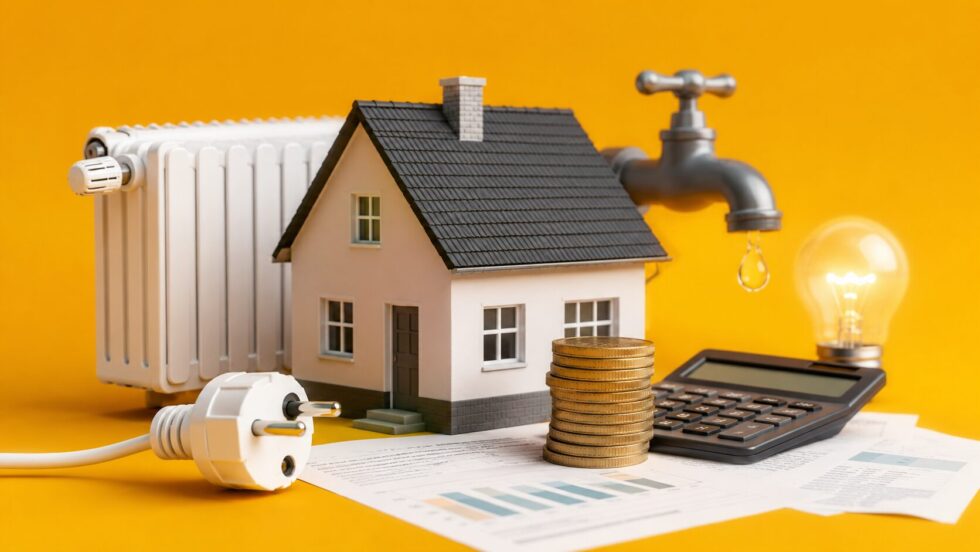
How Renters Can Protect Themselves Before Signing a Lease
Financial advisers and tenant associations recommend a more investigative approach before accepting rental agreements in Germany. One of the most effective steps is requesting historical Nebenkostenabrechnungen for the specific property. These documents provide a realistic picture of actual yearly expenses rather than theoretical estimates.
Tenants should also examine the heating system type carefully. Buildings with modern insulation and efficient systems often produce lower long-term costs even when cold rent appears higher initially. Conversely, older buildings with attractive base rents may generate severe heating expenses during winter months.
Another important strategy involves reviewing contract wording around “sonstige Betriebskosten,” a broad category sometimes used ambiguously. German courts frequently examine whether these clauses were sufficiently transparent.
Questions renters should ask landlords directly
| Question | Why it matters |
|---|---|
| What were last year’s total Nebenkosten? | Reveals real monthly burden |
| Which heating system is installed? | Predicts energy expenses |
| Are elevators and concierge services included? | High service costs |
| Has the building been renovated recently? | Efficiency indicator |
| Are utility meters individual or shared? | Billing transparency |
| Is district heating used? | Potential volatility |
Many tenant advisers say that understanding operational costs before signing can prevent serious financial stress later.
Why Heating Costs Are Becoming the Core Problem in German Rentals
Heating remains the single most expensive component inside Nebenkosten Deutschland, and in 2026 many tenants are seeing utility increases even after reducing consumption. German residential buildings still heavily depend on gas heating, district heating networks and older insulation standards that create structural inefficiencies during colder months. In practical terms, this means tenants are often paying not only for their own usage but also for outdated infrastructure that loses energy through walls, pipes and central systems. Several tenant forums and billing disputes published online show renters reporting annual Nachzahlungen exceeding €800–€1,500 despite attempts to lower heating usage.
The issue has become especially sensitive in basement apartments, Altbau properties and poorly renovated multi-family buildings where heat distribution remains uneven. Analysts say the German rental market is now entering a phase where energy efficiency directly determines affordability, not simply apartment location or base rent. Discussions around heating law reforms and energy transition financing are also adding uncertainty because future modernization investments may eventually appear inside operational cost structures.
A growing number of tenants are now comparing apartments primarily through estimated Warmmiete rather than Kaltmiete alone. This represents a major shift in renter behaviour compared with previous years, when Nebenkosten were often treated as a secondary detail during property searches. In cities with intense housing competition, however, many renters still accept contracts without seeing historical utility statements first, increasing the risk of unexpected financial burdens later.
Signs that heating costs may become unusually high
| Warning factor | Potential impact |
|---|---|
| Gas-only heating system | Exposure to market volatility |
| Altbau without insulation | Significant energy loss |
| Basement apartment | Higher heating demand |
| Shared consumption billing | Limited individual control |
| Old radiators and pipes | Lower efficiency |
| District heating dependency | Price fluctuations possible |
According to German relocation and rental advisers, tenants should always verify whether heating costs are estimated realistically before signing long-term agreements.
The Nebenkostenabrechnung Trap Many Foreign Renters Do Not Understand
For international residents arriving in Germany, the Nebenkostenabrechnung often becomes one of the most confusing parts of the entire rental system. In many countries, utility payments are fixed monthly or billed directly by providers, while Germany frequently operates through annual reconciliations based on estimated advance payments. This creates a delayed financial shock effect where tenants discover additional liabilities months after consumption occurred.
The annual statement itself can contain dozens of categories, allocation keys and percentage distributions that are difficult to interpret without understanding German rental law terminology. In larger buildings, costs may be distributed through square metres, number of residents or measured consumption depending on contractual structure and technical systems installed in the property. Even experienced tenants sometimes struggle to determine whether certain charges are legally permissible.
German courts have repeatedly reinforced strict billing standards because incorrect utility statements remain one of the most common causes of rental disputes in the country. Legal deadlines are also critical. Landlords usually must send annual statements within twelve months after the accounting period ends, otherwise claims for additional payments may become invalid in some cases.
Typical mistakes tenants discover too late
- Incorrect apartment size calculations
- Illegal administrative fees included
- Heating costs allocated unfairly
- Missing invoices or unclear documentation
- Repair expenses presented as operating costs
- Billing periods exceeding legal deadlines
- Double-counted service contracts
Tenant organisations recommend checking every annual statement carefully because even small calculation differences can accumulate into substantial yearly overpayments.
Why New Buildings Are Not Always Cheaper to Live In
Many renters assume modern apartments automatically produce lower Nebenkosten because of improved insulation and newer infrastructure. In reality, some recently developed residential projects in Germany now generate extremely high monthly operational charges due to service-intensive building concepts. Luxury apartment complexes often include underground garages, elevators, concierge services, advanced ventilation systems and digital security infrastructure that require constant maintenance contracts.
This creates a paradox in parts of Germany’s urban housing market. Older buildings may consume more heating energy, while newer developments generate higher service-related costs. In Frankfurt, Munich and sections of Berlin, operational fees linked to premium building management have become increasingly visible in rental advertisements and annual statements.
Another important factor is maintenance outsourcing. Large residential operators frequently use external service providers for gardening, technical inspections, cleaning and winter maintenance. Those contracts are often transferred proportionally onto tenants through Nebenkosten structures permitted under German law.
Comparison between older and newer buildings
| Building type | Main financial risk |
|---|---|
| Altbau | High heating consumption |
| Modern luxury complex | Expensive service contracts |
| Renovated older property | Mixed cost structure |
| Small residential house | Lower shared service costs |
| High-rise apartment tower | Elevator and technical maintenance |
Housing consultants increasingly advise tenants to evaluate the total operational profile of a building rather than assuming newer automatically means cheaper.
How Tenants in Germany Are Trying to Reduce Nebenkosten
As operating costs continue rising, many renters are changing everyday behaviour to avoid future Nachzahlungen. Heating management has become especially important during winter periods. Some tenants now lower temperatures aggressively, reduce room usage or switch partially to remote work locations during peak heating months to limit consumption inside poorly insulated apartments.
At the same time, energy-saving technologies are slowly changing residential behaviour. Smart thermostats, digital consumption tracking and modern metering systems are becoming more common in urban German housing markets. However, the financial benefits vary widely depending on building infrastructure and billing methodology.
Several tenant associations also encourage renters to request transparency proactively rather than waiting for annual statements. Reviewing monthly advance payments, checking meter readings and asking for clarification about allocation formulas can reduce the likelihood of major disputes later.
Practical steps renters increasingly take
- Photograph heating meter readings regularly
- Compare annual statements year-to-year
- Request invoice inspection rights
- Track radiator usage during winter
- Check insulation before renting
- Avoid contracts with unclear service fees
- Join tenant protection associations
Financial advisers note that even modest consumption reductions can matter significantly once multiplied across annual heating calculations.
The Political Debate Around Germany’s Utility Costs Is Intensifying
Germany’s housing discussion is no longer limited to rent caps or apartment shortages. Nebenkosten Deutschland have become politically sensitive because operational expenses increasingly determine whether middle-income households can remain in major urban centres. Rising energy infrastructure costs, climate adaptation measures and insurance increases are feeding into broader concerns about long-term affordability.
The debate has intensified further around building modernisation policies. Supporters of faster energy transitions argue that efficient buildings ultimately reduce tenant costs over time. Critics warn that renovation financing and heating system conversions may initially increase monthly housing burdens for renters before savings become visible.
A broader structural issue also remains unresolved: Germany is still a nation of renters, with a significantly lower homeownership rate than many other European countries. That means millions of households remain directly exposed to fluctuations in operational costs tied to national infrastructure and energy policy.
Areas expected to remain under pressure through 2026–2027
| Sector | Reason for concern |
|---|---|
| Heating | Energy transition costs |
| Insurance | Climate-related damages |
| Property tax | Regional recalculations |
| Building maintenance | Construction inflation |
| District heating | Infrastructure investments |
| Waste disposal | Municipal fee increases |
The result is a rental market where Nebenkosten are no longer considered background expenses but a central economic issue shaping residential decisions across Germany.
Germany’s rental market is entering a period where transparency around total housing costs is becoming politically and economically central. Tenant groups argue that apartment advertisements should display more realistic Warmmiete figures rather than emphasising only cold rent. Landlord associations counter that many operational expenses are externally determined through taxes, energy markets and municipal systems rather than property owners themselves.
The broader consequence is that Nebenkosten Deutschland are no longer treated merely as technical billing categories. They have become part of the national affordability debate affecting migration patterns, urban competitiveness and disposable household income.
In practical terms, renters across Germany increasingly face a housing reality where operational costs can represent nearly one quarter of the total monthly payment for an apartment. That shift is redefining how tenants evaluate properties, compare cities and plan long-term finances in one of Europe’s largest rental markets.
Stay connected for news that matters — timely, factual, and free from bias. Read trusted updates from Berlin, Ukraine, and around the world: Umsatzsteuer Deutschland 2026: What VAT Rates, Rules and Business Mistakes Matter Most