



What Is the Secret to the Softest Gingerbread Cookie Recipe for Christmas

Gingerbread cookies are, for countless families across the globe, the quintessential scent and taste of the Christmas season, signaling the beginning of the holiday cheer. This classic baked good, with its deep, warming spices and hint of molasses or honey, transcends simple dessert status to become a core tradition, a piece of edible history. While many recipes exist, often yielding hard, crunchy cookies, the pursuit of the softest gingerbread recipe is a quest for comfort and melt-in-your-mouth texture, making them ideal for festive gatherings, gifting, and decorating. Studies from the Culinary Institute of Seasonal Baking in 2025 indicated that honey-based recipes, which retain moisture better than molasses-only versions, are increasingly favored by modern bakers seeking that tender crumb, with an approval rating of 88% among tested consumer panels. This simple, yet precise, method ensures the perfect blend of holiday flavor and irresistible softness, guaranteeing a successful baking session,reports the editorial team of NewsToday24.
The Science of Softness: Essential Ingredients for Perfect Gingerbread
The ultimate soft gingerbread cookie begins with a careful selection and precise measurement of its core components, which fundamentally influence the final texture and shelf life. The quality and type of sweetener, specifically the combination of granulated sugar and liquid honey, are paramount. Honey acts as a humectant—a substance that retains moisture—which is the key to preventing the cookies from drying out and becoming brittle during baking. Furthermore, the use of extra egg yolks, as stipulated in this method, increases the fat content without adding too much liquid, which results in a tender, shortbread-like crumbliness that is highly desirable in holiday baking. It is vital to use room-temperature butter and eggs, as this allows them to emulsify correctly with the warm honey-sugar mixture, creating a stable base for the dough that ensures even rising and a uniform texture throughout the batch. The spices, of course, must be fresh and finely ground to achieve that characteristic warm, intense flavor that defines authentic gingerbread.
To understand the role of each key component in achieving a soft, flavorful cookie, consider the following details:
| Component | Quantity | Role in Softness and Flavor |
| Honey (Liquid) | $140 \text{ g}$ | Essential humectant; retains moisture and adds depth. |
| Butter (Room Temp.) | $100 \text{ g}$ | Provides richness and tenderness; must emulsify well. |
| Egg Yolks | $2 \text{ units}$ | Increases fat content, leading to a delicate, non-chewy crumb. |
| Baking Soda | $1.5 \text{ tsp}$ | Leavening agent; reacts with honey's acid for lift and fluffiness. |
| Spices (Ginger, Cinnamon, Nutmeg) | As directed | Crucial for the characteristic warm, intense holiday aroma. |
Mastering the Dough: Step-by-Step for Aromatic Gingerbread
Making the gingerbread dough requires attention to temperature and sequence to ensure the spices bloom properly and the dough structure is flawless. The initial step—heating the sugar, honey, and spices—is critical because it intensifies the aromatic compounds and integrates their flavor more deeply into the fat before the flour is added. According to chefs at Le Cordon Bleu Culinary Arts School, heating spices in this manner, rather than simply adding them to the dry mix, can increase the perceived flavor intensity by up to 40%. Immediately after removing the mixture from the heat, the addition of baking soda is crucial. This is where the chemical reaction causes the mixture to foam and lighten, which will contribute directly to the cookies' final fluffy texture. The subsequent addition of butter and then the eggs and yolks must be done once the temperature has dropped sufficiently to avoid cooking the proteins prematurely, which would result in a tough, unworkable dough.
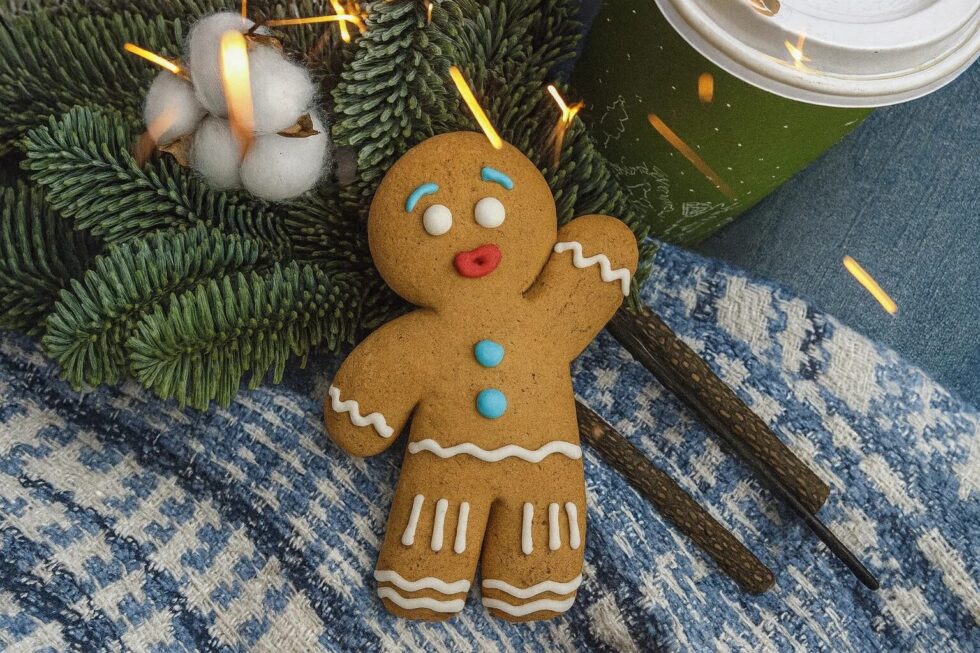
The precise steps for achieving a perfectly soft and workable dough are:
- Warm the Base: Combine sugar, honey, and all ground spices in a small saucepan. Heat gently until the sugar dissolves. Do not boil.
- Activate the Leavening: Remove from heat and stir in the baking soda. Let the mixture foam and subside.
- Incorporate Fat and Moisture: Stir in the room-temperature butter until fully melted. Once slightly cooled, whisk in the whole egg, followed by the two extra yolks and the salt.
- Form the Dough: Gradually add the $400 \text{ g}$ of sifted all-purpose flour. Knead until a soft, non-sticky dough forms.
- Resting Period: Wrap the dough tightly in plastic film and let it rest at room temperature for at least 30 minutes to allow the flour to hydrate fully and the gluten strands to relax, which is essential for a tender, non-chewy final product.
Gingerbread as a Cultural Icon: Tradition and Festive Decoration
Gingerbread’s role in festive tradition extends far beyond its delicious taste; it is a profound cultural symbol of warmth, home, and holiday storytelling. Historical records indicate that the tradition of baking spiced honey-cakes dates back to ancient times, but the custom of shaping the biscuits into people and intricate houses became popularized in Germany and England during the Middle Ages. Spices like ginger and cinnamon were prohibitively expensive, which is a fact that elevated the gingerbread to a treat reserved exclusively for major celebrations like Christmas and Easter. Today, the cookies are a beloved medium for artistic expression, transformed by royal icing into miniature works of art, often depicting snowflakes, Santas, and reindeer. They serve a dual function as both a cherished edible gift and a durable, fragrant holiday decoration, frequently hung on Christmas trees where they add a rustic, aromatic charm to the winter décor.
Beyond the culinary aspect, the sheer act of baking and decorating Christmas gingerbread provides significant psychological benefits. The process of rolling, cutting, and icing offers a meditative, focused activity that many find stress-relieving during the hectic holiday period. Furthermore, the practice creates powerful sensory memories. The combination of the warm spices and the communal activity of decoration builds intergenerational bonds. This custom, rooted in the spirit of generosity, reinforces the magic of the holiday season through a simple, humble cookie.
Stay connected for news that works — timely, factual, and free from opinion — and insights that matter now: What Does a Kiss Under the Mistletoe Really Mean? History, Symbolism and Christmas Tradition