



What BKA raids Deutsche Bank HQ over Abramovich links
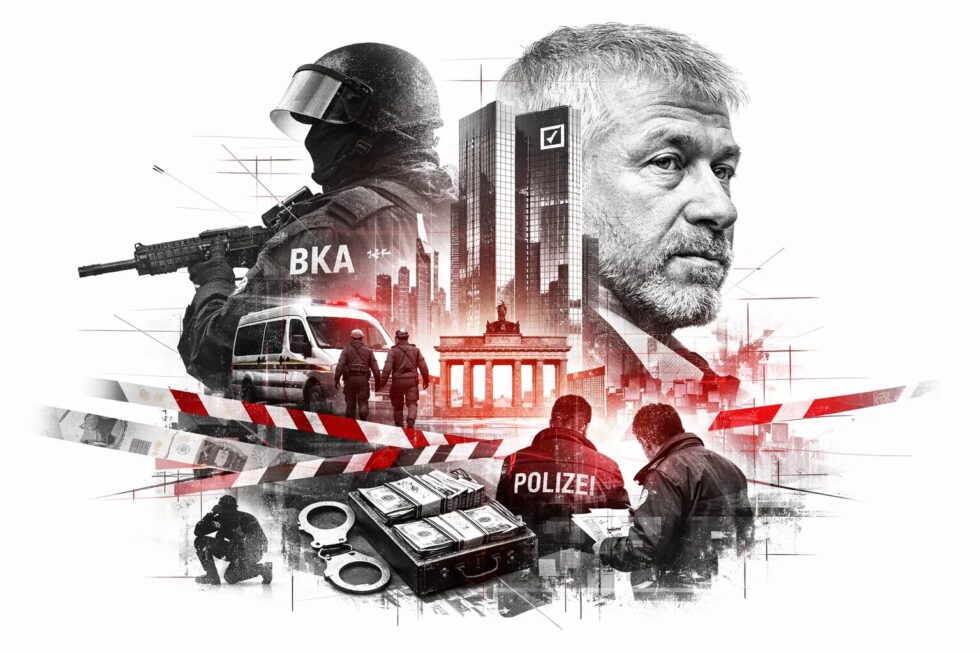
The German Federal Criminal Police Office (BKA) has conducted coordinated searches at Deutsche Bank’s headquarters in Frankfurt and additional offices in Berlin on January 28, 2026. The raids relate to suspected money laundering linked to foreign companies, including entities associated with sanctioned Russian oligarch Roman Abramovich. Around 30 plainclothes investigators entered the Frankfurt headquarters at 10 a.m., targeting transactions that may have violated EU sanctions. Prosecutors indicated that specific employees and responsible parties are under investigation, though identities have not been disclosed. The Deutsche Bank confirmed full cooperation with authorities, reports NewsToday24 with reference to bild.
Background of the BKA operation and Deutsche Bank involvement
The operation began early Wednesday morning, with plainclothes officers executing court-authorized searches across multiple Deutsche Bank locations. The investigation focuses on historical business relationships with foreign companies suspected of money laundering. Authorities are examining whether the bank failed to report suspicious financial activities, particularly transactions linked to entities connected to Roman Abramovich, who has been on the EU sanctions list since March 2022 following Russia’s invasion of Ukraine.
The Frankfurt public prosecutor’s office emphasized that further details regarding the volume of transactions and the companies involved cannot currently be disclosed. Deutsche Bank confirmed the search but did not provide specifics on the scope or internal measures being reviewed.

Connection to Roman Abramovich and EU sanctions
Roman Abramovich, 59, former owner of football club Chelsea FC (2003–2022), is among the sanctioned Russian oligarchs under EU regulations targeting assets linked to the Russian government. Investigators are particularly interested in whether Deutsche Bank failed to submit timely suspicious activity reports (SARs) related to Abramovich’s accounts and associated companies.
A preliminary report from Süddeutsche Zeitung indicates potential lapses in the bank’s internal compliance processes, which could expose the institution to fines or other regulatory actions under German and EU financial crime laws.
Timeline of events and corporate response
| Date | Event | Location | Notes |
|---|---|---|---|
| Jan 28, 2026, 10:00 a.m. | BKA raid begins | Deutsche Bank Frankfurt HQ | 30 investigators in plainclothes |
| Jan 28, 2026 | Additional searches | Berlin offices | Coordination with local authorities |
| March 2022 | EU sanctions imposed | N/A | Roman Abramovich listed due to Russia-Ukraine conflict |
| Jan 29, 2026 | Deutsche Bank statement | Frankfurt HQ | Full cooperation with prosecutors confirmed |
Deutsche Bank CEO Christian Sewing was scheduled to present the bank’s highest profits in years on January 29, 2026. The raid is expected to overshadow the announcement and may prompt questions from investors and regulators regarding compliance practices.
Implications for Deutsche Bank and clients
The BKA investigation could have multiple implications for Deutsche Bank. Immediate effects include heightened scrutiny from regulators, potential delays in internal reporting, and possible legal exposure if compliance lapses are confirmed. The bank is reviewing its transaction reporting protocols and cooperating with authorities to provide requested documentation.
Clients with accounts or transactions potentially linked to sanctioned entities are advised to verify compliance and ensure all required filings have been submitted. Deutsche Bank has indicated that affected clients will be contacted if necessary, and additional guidance will be available on the bank’s official website (www.db.com).
Legal framework and procedural steps
Money laundering regulations in Germany and EU sanctions compliance
Germany’s anti-money laundering (AML) framework requires financial institutions to report suspicious transactions to the Financial Intelligence Unit (FIU) promptly. Failure to submit such reports can result in fines or criminal charges. EU sanctions require that any assets or transactions associated with listed individuals or entities be frozen and reported immediately.
Steps for individuals and businesses to comply
- Verify whether your accounts involve sanctioned individuals or entities.
- Submit any pending suspicious transaction reports (SARs) to the FIU.
- Consult Deutsche Bank’s compliance team for guidance on affected transactions.
- Maintain documentation for all relevant financial transactions.
- Monitor updates from the European Commission and German Federal Financial Supervisory Authority (BaFin).
Comparison of regional enforcement
| Region | Enforcement Authority | Typical Procedure | Notes |
|---|---|---|---|
| Frankfurt | BKA & Public Prosecutor | On-site raids, document seizure | Focus on headquarters |
| Berlin | Local Police & BKA | Coordinated office searches | Smaller branch-level operations |
| EU-wide | National FIUs | Suspicious transaction reporting | Applies to all financial institutions |
| Other German cities | BaFin oversight | Compliance audits | Regular inspections without raids |
This structured approach ensures that both regional and national compliance obligations are addressed systematically.
What the Deutsche Bank raid means for the financial sector
The raids highlight the importance of robust AML compliance and EU sanctions monitoring. Banks are now under closer observation, with increased scrutiny on historical transactions and relationships with sanctioned entities. The operation also underscores the legal responsibility of institutions to act promptly when handling accounts linked to high-risk individuals.
For clients and investors, the immediate practical effect is the need to review account activity, maintain proper documentation, and follow official instructions from both Deutsche Bank and regulatory authorities.
Stay connected for news that works — timely, factual, and free from opinion — and insights that matter now: Deutsche Bahn Promo: Free Nationwide Travel Following Every German Olympic Gold Medal