


What Is the DHL QR Code Scam, How Does the Fraud Work and How Can You Protect Yourself
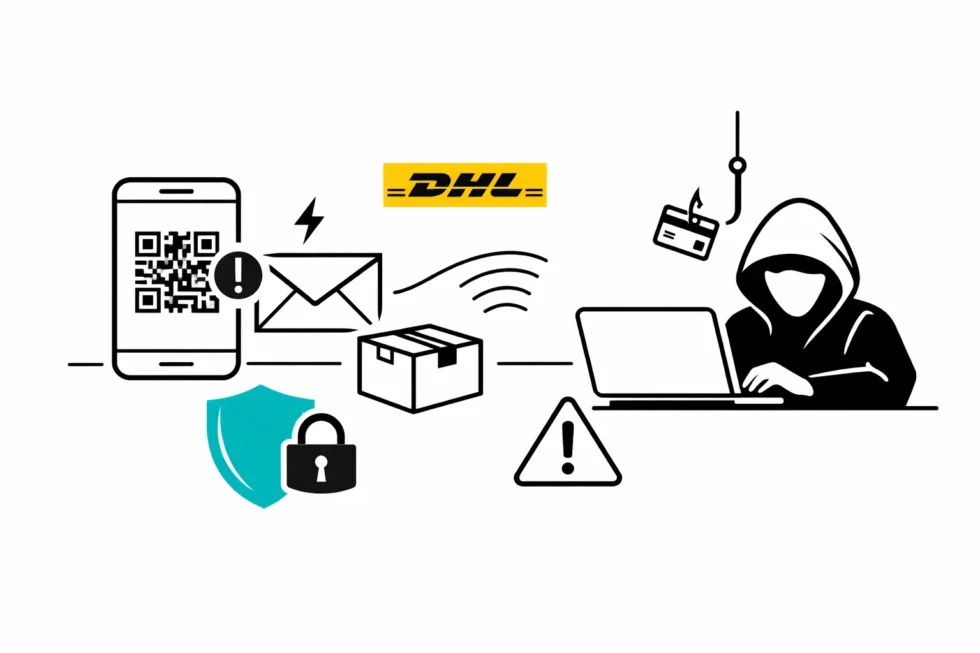
The DHL QR code scam has become one of the most widespread forms of parcel fraud in December 2025, coinciding with the Christmas shopping season. As online orders surge across Europe, cybercriminals are exploiting delivery congestion and consumer stress to carry out increasingly sophisticated attacks. The scams involve fake emails, SMS messages, phone calls and forged DHL delivery slips containing QR codes, designed to steal personal data or money. NewsToday24 reports on this development, citing renews.de.
According to consumer protection authorities, the Christmas period is particularly attractive for fraudsters because millions of people are expecting parcels and are therefore less likely to question delivery notifications.
Why parcel scams spike during the Christmas season
From late November to Christmas Eve, parcel volumes increase dramatically. Delivery delays, redirected shipments and missed deliveries become common, creating ideal conditions for deception. Fraudsters rely on urgency, confusion and trust in well-known brands such as DHL to manipulate recipients into acting quickly.
Security experts warn that scams involving QR codes are especially dangerous, as users cannot see the destination link before scanning. This significantly lowers the barrier for successful attacks.
The most common DHL scam methods currently in use
1. Phishing emails and smishing text messages
One of the most common tactics involves fake emails or SMS messages that appear to come from DHL. These messages typically claim there is a problem with a delivery, such as:
- missing address details
- unpaid customs or delivery fees
- overweight parcels
- failed delivery attempts
Recipients are urged to click a link to “resolve” the issue. The link leads to a convincing fake DHL website where victims are asked to enter login credentials, personal details or payment information. Once submitted, the data is immediately harvested by criminals.
2. Fraudulent phone calls requesting verification codes
In another variant, scammers call victims directly, posing as DHL support staff. They create pressure by claiming the parcel will be returned or destroyed unless identity verification is completed. Victims are then asked to read out a code sent via SMS.
In reality, these codes are often two-factor authentication tokens for email accounts, online shops or payment services. Sharing them gives attackers direct access to accounts.
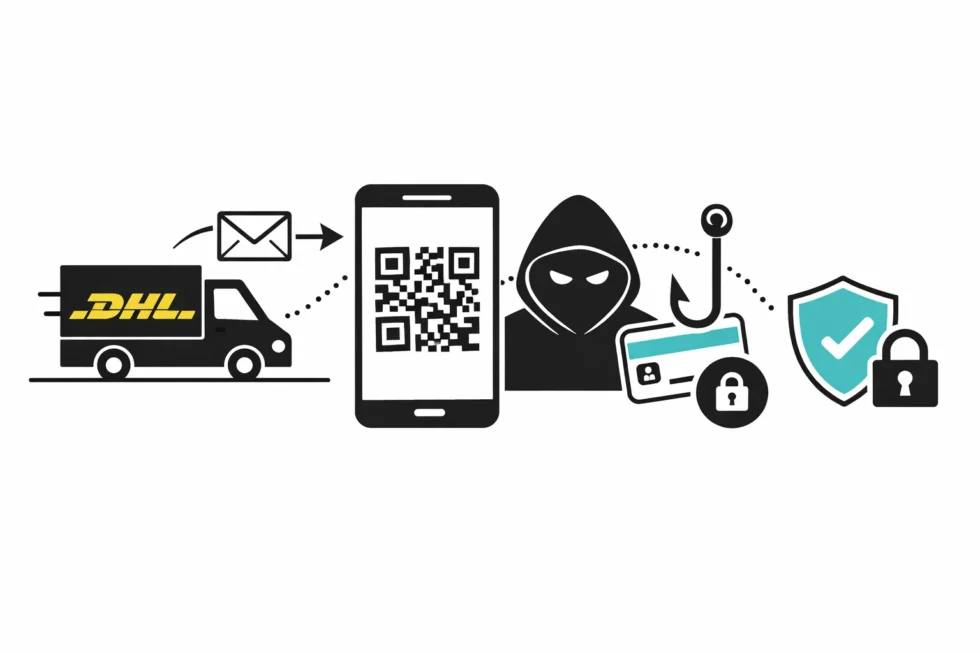
3. Fake delivery notes with QR codes (Quishing)
The most alarming trend involves fake DHL delivery slips placed in mailboxes. These slips closely resemble genuine delivery notifications and include a QR code with instructions such as:
- “Schedule redelivery”
- “Confirm delivery details”
- “Collect your parcel”
Scanning the QR code redirects users to a cloned DHL website that requests sensitive data. This technique is known as quishing — QR-code phishing — and is considered particularly effective because it bypasses traditional link checks.
How to distinguish real DHL messages from scams
Legitimate DHL notifications usually include:
- the recipient’s full name
- a valid, trackable shipment number
- clear information about the delivery location or pickup point
DHL does not request passwords, payment details or security codes via email, SMS or QR code.
As a rule of thumb, any unexpected request for immediate action should be treated with suspicion.
How to protect yourself from DHL QR code fraud
Experts recommend the following precautions:
- Never scan QR codes from unexpected delivery notices
- Do not click on links in unsolicited emails or text messages
- Check shipments only via the official DHL app or by manually entering the DHL website
- Never share verification or security codes with anyone
- Report suspicious messages to [email protected]
Remaining cautious and taking a moment to verify information independently can significantly reduce the risk of falling victim to fraud.
What to do if you have already fallen victim to the scam
If you have scanned a QR code, clicked a suspicious link or entered personal data, act immediately:
- Change passwords for all affected accounts, starting with your email account
- Enable two-factor authentication wherever possible
- Contact your bank or payment provider to block or monitor transactions
- Scan your device for malware and install security updates
- Report the incident to DHL and, if financial damage occurred, to the police
Prompt action can limit potential damage.
Why vigilance during the Christmas season is crucial
The DHL QR code scam demonstrates how professional and credible modern cybercrime has become. According to Germany’s consumer protection agencies and the Federal Office for Information Security (BSI), reported parcel and phishing fraud cases increase significantly every December due to high delivery volumes and time pressure on recipients. Quishing attacks are particularly dangerous because QR codes conceal malicious destinations and bypass familiar warning signs.
Security authorities emphasise that staying calm and verifying delivery information independently is the most effective defence. Anyone who avoids acting under pressure and checks shipments exclusively via official channels greatly reduces the risk of fraud.
For suspected scams, incidents should be reported immediately:
- DHL phishing contact: [email protected]
- German Consumer Advice Hotline: +49 900 1 89 79 79
- BSI Citizens’ Hotline: +49 800 274 1000
These reports help protect individuals and allow authorities to respond more quickly to ongoing fraud campaigns.
Stay connected for news that works — timely, factual, and free from opinion — and insights that matter now: Will the German government overhaul the social security system by December 2025