



SBB Summer Timetable 2026: New Train Routes, Night Trains, Railworks and Replacement Buses Across Europe
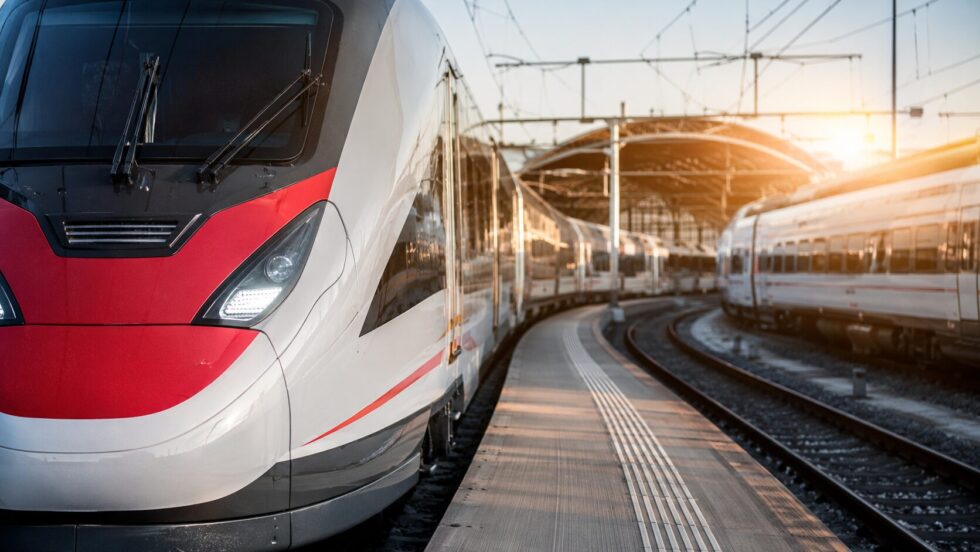
SBB Summer Timetable 2026 will significantly reshape international rail travel from Switzerland beginning in June 2026, with major construction works, replacement bus services, diverted trains and timetable changes affecting routes to Italy, Germany, France and Austria. Travelers using some of Europe’s busiest rail corridors — including Zurich–Milan, Basel–Paris, Zurich–Munich and several Nightjet connections — will face longer journey times, cancellations and altered departures throughout the summer holiday season. At the same time, Swiss Federal Railways is expanding parts of its international network with additional direct trains to Milan, Florence, Rimini, Berlin, Hamburg and Marseille as passenger demand for cross-border rail travel continues to rise across Europe. The combination of infrastructure modernization and increased summer traffic is expected to create one of the most operationally complex summer railway schedules in recent years, with NewsToday24 noting that millions of passengers may need to check schedules repeatedly before departure because some disruptions will only appear shortly before travel dates.
The largest disruptions begin in June 2026 and continue into autumn. Construction projects in Italy on the Simplon corridor, French TGV infrastructure upgrades and German rail modernization works will directly affect Swiss international services. SBB says passengers should expect replacement buses, rerouted trains, reduced frequencies and revised departure times on multiple routes during peak holiday periods. Several overnight services are also being rerouted because of closures between Switzerland and Austria, while some high-speed routes to Paris will operate with significantly longer travel times. At the same time, the operator is introducing new seasonal leisure services aimed at travelers shifting away from short-haul flights toward rail travel across Europe.
Which international SBB routes are most affected in summer 2026
The biggest operational challenge for SBB in summer 2026 will be the rail corridor between Switzerland and northern Italy. Due to extensive engineering works carried out by Italian infrastructure operator RFI on the Simplon axis, EuroCity trains between Geneva, Lausanne, Basel, Bern and Milan will either terminate early or not run through continuously between 7 June and 26 July 2026.
During part of this period, regional trains between Iselle di Trasquera and Domodossola will also be suspended. Replacement buses will operate on several sections, including direct bus services toward Milano Centrale. The disruption hits one of the busiest Swiss holiday routes during the core European summer travel season.
France-bound travelers will also face substantial changes. Between 1 June and 26 July 2026, several TGV services between Zurich and Basel will be cancelled. Additional engineering works in France from 17 August until 29 October 2026 will force some TGV services between Basel and Paris to be rerouted or suspended entirely. Some diverted trains will take around one hour longer than normal. Further disruptions are expected between Lausanne and Paris via Vallorbe between 10 and 25 October because of construction work in the Mont-d'Or Tunnel.
Germany routes are also entering a difficult operational phase. On the Zurich–Munich corridor, several EuroCity services will be cancelled between Lindau-Reutin and Munich during July and August 2026. Replacement buses are planned for many disrupted departures. Additional engineering works between Hanover and Hamburg from May to July 2026 will increase travel times by approximately 30 minutes on several ICE services connecting Switzerland with northern Germany.
Major SBB summer 2026 disruption periods
| Route | Period | Main Impact |
|---|---|---|
| Zurich–Milan | 7 June – 26 July 2026 | Train suspensions, replacement buses |
| Basel–Paris | 17 Aug – 29 Oct 2026 | Diversions, longer travel times |
| Zurich–Munich | July–Aug 2026 | EC cancellations, bus replacements |
| Lausanne–Paris | 10 Oct – 25 Oct 2026 | TGV suspensions |
| Buchs SG–Feldkirch | 14 Jun – 14 Oct 2026 | Full closure, Nightjet diversions |
| Hanover–Hamburg | 1 May – 10 Jul 2026 | Longer ICE travel times |
New direct train routes and additional seasonal services
Despite the infrastructure disruptions, SBB is simultaneously expanding parts of its international network in response to growing passenger demand for rail-based leisure travel. Italy receives some of the most visible upgrades in the 2026 timetable. SBB is adding two additional trains per direction between Zurich and Milan, increasing flexibility on one of the company’s highest-demand international routes. Existing direct services to Bologna are also being extended further south to Florence.
One of the biggest additions for summer travelers is a new direct Zurich–Rimini service. Running from 30 May until 4 October 2026, the train creates a direct rail connection between Switzerland and the Adriatic coast without requiring passengers to change trains. SBB is positioning the route as part of its broader push toward sustainable leisure travel inside Europe. Verona and Florence also remain directly connected from Swiss cities throughout the year.
Germany services are also being expanded. For the first time, ICE trains will run directly from Brig to Berlin, Hamburg and Dortmund without requiring a transfer. SBB is additionally increasing direct services between Germany and Chur to four trains daily in each direction. Some Basel–Hamburg routes will also use modern Giruno trainsets operated by SBB.
France connections are receiving seasonal upgrades as well. The Lausanne–Marseille direct TGV service is being extended for a larger part of the year in 2026. Between April and October, trains will operate several days per week between western Switzerland and southern France, while July and August will again see daily departures. Cities including Avignon and Aix-en-Provence are expected to benefit from stronger Swiss tourist traffic as a result.
Night trains become more important — and more complicated
Night trains continue to play a growing role in Europe’s long-distance travel market, but the 2026 timetable also shows how fragile cross-border overnight operations remain. SBB and Austrian Federal Railways are modernizing parts of the Nightjet network with new rolling stock on routes to Hamburg and Amsterdam. According to Swiss rail industry documents, a new EuroNight Basel–Malmö service is also expected to launch from April 2026. The service would represent the first overnight route produced directly by SBB since the company discontinued its Rome sleeper service in 2009.
However, construction works in Austria and eastern Switzerland are creating major operational complications. The complete closure between Buchs SG and Feldkirch from 14 June until 14 October 2026 will force Nightjet services to divert via St. Margrethen. Journey times on some overnight services will increase by roughly one hour, while replacement buses will operate between Sargans and Feldkirch. Several Railjet and EuroCity services toward Vienna, Graz, Budapest and Bratislava are also expected to face cancellations or revised timetables.
The situation illustrates a broader challenge facing Europe’s expanding night train market. Demand for overnight rail continues to rise because of environmental concerns, airport congestion and growing interest in low-emission tourism. Yet the sector still depends heavily on aging infrastructure and tightly coordinated international timetables that become vulnerable during simultaneous construction projects across several countries.
Main overnight rail changes in 2026
- New Basel–Malmö EuroNight planned from April 2026
- New-generation Nightjet trains on Hamburg and Amsterdam routes
- Diversions for Austrian night trains because of Buchs SG closure
- Longer travel times toward Vienna and Salzburg
- Additional overnight domestic Swiss connections
- Expanded early-morning and late-evening airport train services
Why summer 2026 will be unusually difficult for European rail travel
Rail operators across Europe are entering a period where infrastructure modernization and rapidly growing passenger demand are colliding. Switzerland, Germany, France and Italy are all simultaneously investing billions into railway upgrades, signaling systems and corridor modernization projects. Many of these works affect exactly the same international routes now seeing record demand from travelers moving away from short-haul flights toward train travel.
SBB has warned passengers that some timetable adjustments may only appear in online systems shortly before departure. This is particularly important for international connections crossing multiple infrastructure networks. Weekend engineering works in Germany are expected throughout the year, while French and Italian projects may continue producing operational changes into autumn 2026.
The pressure is especially high on Italy-bound routes. Milan, Florence, Verona and the Ligurian coast remain among the most popular international rail destinations for Swiss travelers during summer. Yet the Simplon corridor — one of the key rail gateways into Italy — is simultaneously undergoing major infrastructure works. Similar pressure exists on routes toward Paris and southern France.
“Numerous construction works will continue in Switzerland and neighboring countries during 2026,” SBB stated in its official timetable update for the new rail year.
What travelers should pay attention to before booking
| Travel Issue | Why It Matters in 2026 |
|---|---|
| Replacement buses | Limited luggage space and longer transfers |
| Night train reservations | Faster sell-outs because of fewer available trains |
| TGV diversions | Journey times up to 60–90 minutes longer |
| Munich route closures | Bus transfers between Lindau and Munich |
| Italy disruptions | Simplon route heavily affected in June and July |
| Austrian closures | Overnight trains rerouted via alternative corridors |
How SBB replacement buses, luggage rules and reservations will work in summer 2026
One of the least discussed but most important parts of the SBB Summer Timetable 2026 concerns replacement bus logistics and passenger restrictions during rail disruptions. Travelers heading to Italy through the Simplon corridor will not simply change trains — in many cases they will have to move between railway stations and temporary bus terminals with limited luggage capacity and mandatory reservations. This becomes especially important during June and July 2026, when EuroCity trains between Switzerland and Milan will partially terminate in Brig or Domodossola because of engineering works on the Italian side of the network. SBB and Trenitalia are jointly organizing replacement buses, but available seats on some routes are expected to be lower than normal train capacity. That means fully booked replacement services could become one of the biggest operational problems of the 2026 summer season.
Passengers using direct buses between Geneva, Martigny and Milan will also face stricter luggage conditions than on standard EuroCity trains. According to SBB guidance, each traveler will generally be allowed only one suitcase and one piece of hand luggage on replacement buses operating through the Great St Bernard corridor. Reservation requirements will apply on several substitute services, particularly during weekends and peak departure periods. Travelers arriving with oversized luggage, bicycles or sports equipment may encounter additional restrictions because buses cannot handle the same capacity as rail services.
The operational complexity becomes even greater for passengers connecting onward to southern Italy or the French Riviera. Travelers may have to transfer multiple times between trains, buses and temporary shuttle services depending on the exact travel date. Some international tickets booked earlier in the year could also later receive amended departure times because construction schedules remain subject to change. SBB is therefore urging customers to regularly recheck their reservations in the digital timetable before travel.
What travelers should prepare before boarding replacement buses
| Travel Situation | What Passengers Should Expect |
|---|---|
| Milan replacement buses | Mandatory reservations on some departures |
| Large luggage | Space restrictions compared with trains |
| Bicycles | Limited or unavailable transport capacity |
| Family travel | Longer transfer times between platforms and buses |
| Peak summer weekends | Possible overcrowding and reduced availability |
| Cross-border connections | Timetable changes even shortly before departure |
Why Switzerland’s rail system is entering a new infrastructure phase
The 2026 timetable changes are not only about temporary disruptions. They also reflect a wider transformation happening across the European railway sector. Switzerland, Germany, Italy and France are simultaneously investing in freight corridors, tunnel modernization, electrification projects and high-speed rail infrastructure designed to increase long-term capacity. Many of the works affecting SBB services in 2026 are directly linked to larger European transport strategies intended to shift traffic away from aviation and road transport toward rail.
A major example is the freight corridor expansion between Arona and Verbania in Italy, which is one of the reasons why the Simplon route faces severe operational disruption during summer 2026. The project is part of broader efforts to expand the so-called “4-meter corridor” for freight transport between northern Europe and Italian ports. While passenger traffic is being disrupted in the short term, freight capacity through the Alps is expected to improve significantly in the coming years.
Germany is facing a similar situation. Deutsche Bahn continues to modernize several overloaded long-distance corridors, including the heavily used Hanover–Hamburg axis that affects Swiss ICE services toward northern Germany. At the same time, Austria is carrying out large-scale works on sections linked to Railjet and Nightjet operations connecting Switzerland with Vienna, Budapest and Bratislava. The consequence is that international rail travel increasingly depends on synchronized infrastructure planning across several countries rather than within one national network alone.
The biggest infrastructure projects affecting SBB in 2026
- Simplon corridor freight expansion in Italy
- Basel rail modernization and 4-meter corridor works
- Munich corridor speed reduction and engineering projects
- Austrian Arlberg and Feldkirch infrastructure closures
- French TGV maintenance and tunnel modernization
- Cross-border signaling and timetable integration upgrades
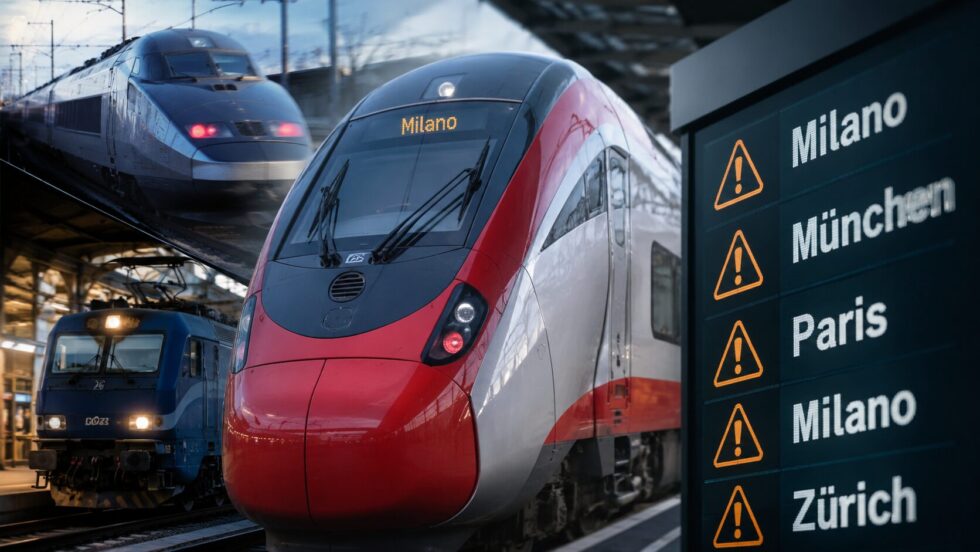
Seat reservations, digital planning and why last-minute checks matter more in 2026
SBB is increasingly emphasizing digital timetable monitoring because static travel planning is becoming less reliable during major construction seasons. Several engineering projects in Germany and France are expected to trigger short-notice timetable changes, especially on weekends or overnight corridors. In practical terms, a connection visible weeks before departure may later operate with different departure times, replacement buses or altered platforms. This particularly affects passengers with tight international transfers.
Seat reservations are also expected to become more important than in previous years. Summer 2026 combines strong tourism demand with reduced rolling stock flexibility because of construction-related diversions. SBB has already advised passengers to secure seats early for leisure routes and panoramic trains. Similar pressure is expected on Nightjet services, especially toward Germany, Austria and the Netherlands, where overnight demand continues to grow faster than available capacity.
International rail operators are also increasingly using app-based updates rather than station announcements alone. Travelers relying only on printed tickets or static schedules may therefore miss operational changes announced shortly before departure. This is particularly relevant for replacement bus departures, which sometimes leave from temporary terminals outside the main station building.
“Journey times and routes are adjusted accordingly in the digital timetables,” SBB stated in its official summer disruption guidance for Europe.
Why direct summer trains to Italy and France are becoming strategically important
The expansion of direct summer leisure routes in 2026 reflects changing travel behavior across Europe. Swiss passengers are increasingly choosing train travel over short-haul aviation for destinations reachable within four to eight hours. Routes toward northern Italy, southern France and coastal destinations are among the fastest-growing segments of the European rail market. SBB’s decision to introduce a direct Zurich–Rimini service and expand Lausanne–Marseille operations shows how rail companies are repositioning themselves for climate-conscious tourism and rising airport congestion.
The strategy also reflects wider changes in leisure mobility. Travelers increasingly want overnight departures, direct seaside connections and fewer airport-style transfers. Rail operators across Europe are responding by extending seasonal services deeper into tourist regions instead of focusing only on business corridors. Italy remains one of the clearest examples because destinations such as Rimini, Florence, La Spezia and Livorno are attracting more rail passengers from Switzerland every year.
France is following a similar pattern. Direct TGV connections from western Switzerland to Marseille and Provence are increasingly positioned as alternatives to air travel during the summer season. Rail operators believe travelers are willing to accept longer journey times if direct city-center connections reduce the stress of airport travel, baggage handling and security procedures.
At the same time, however, the 2026 summer timetable demonstrates that Europe’s rail renaissance is still heavily dependent on infrastructure resilience. Passenger demand is rising faster than modernization projects can be completed, meaning travelers will continue experiencing simultaneous expansion and disruption across the continent for several years.
What travelers can do to avoid major disruption
Passengers planning rail journeys during summer 2026 are being advised to build larger time buffers into their itineraries than in previous years. Travelers heading toward Milan, Paris, Munich, Vienna or Marseille may benefit from departing earlier in the day to reduce the risk of missed onward connections. SBB is also strongly encouraging customers to consult the online timetable repeatedly before travel because some engineering adjustments are still being finalized.
Digital ticketing and real-time travel updates will become increasingly important during the summer period. Several replacement bus systems will operate differently depending on the date and destination, particularly on Italy-bound routes. Travelers with bicycles, large luggage or limited mobility may experience additional operational complications during replacement transport sections.
Alternative routing may also become necessary on some days. For example, travelers heading to Paris could in some cases avoid Basel disruptions by routing through Geneva instead. Likewise, passengers traveling toward southern Germany may need to consider alternative transfer points depending on the specific construction phase active at the time of travel.
SBB’s 2026 summer timetable ultimately reflects two parallel realities shaping European rail travel: expanding international demand and unprecedented levels of infrastructure reconstruction. The network is becoming broader, faster and more international in the long term, but during summer 2026 passengers across Switzerland and Europe will also experience one of the most construction-heavy rail seasons in years.
Stay connected for news that matters — timely, factual, and free from bias. Read trusted updates from Berlin, Ukraine, and around the world: Krankenversicherung Germany 2026: How Much Health Insurance Costs and Which Option to Choose