



String Lights for Wellness in Germany: A Scientific Guide to Better Lighting
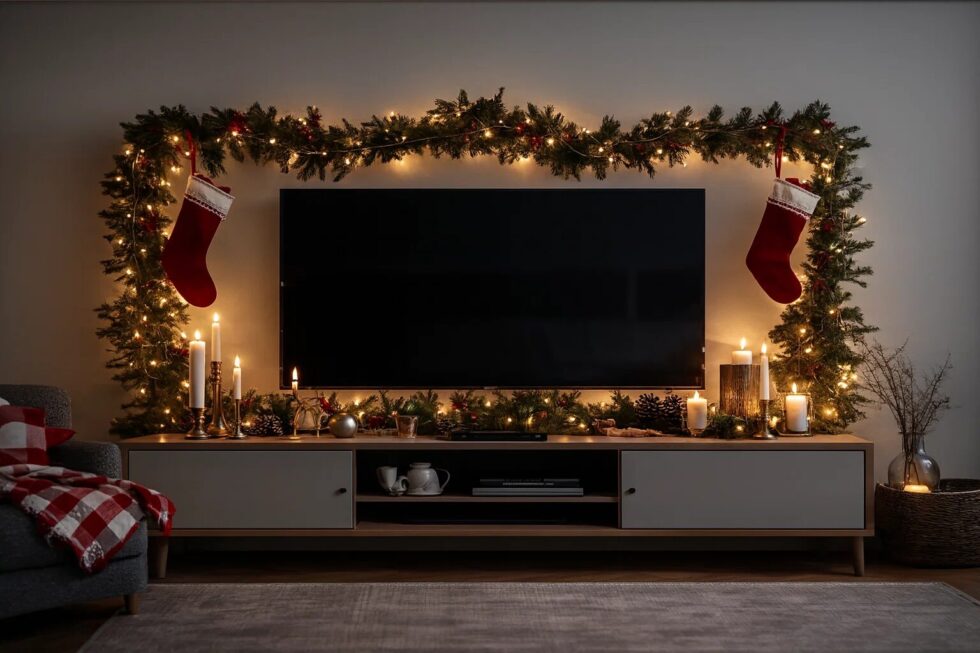
String lights and sparkling decor are far more than mere seasonal trimmings; they are potent activators of positive emotions within the human brain. Scientists assert that adorning one's living space with these luminous elements stimulates the production of dopamine, a critical neurotransmitter responsible for feelings of pleasure and reward. Consequently, visually appealing decor not only enhances mood but also instills a profound sense of comfort through the activation of the brain's reward centers. This practice offers a verifiable, non-pharmacological route to emotional well-being, leveraging our inherent psychological responses to light and color. The visual warmth and festive association tap into primal senses of safety and community, reinforcing their powerful effect. This mechanism is increasingly understood in neuroaesthetics, the study of how art and beauty affect the brain.As NewsToday24 reports.
The Neurobiology of Festive Lighting: Research on Mood Enhancement
The glow of string lights and the rich hues of holiday decorations trigger an immediate and positive reaction in the brain, a phenomenon supported by several neurobiological mechanisms. Firstly, visual activation occurs because warm lights and glittering surfaces provide intense stimulation that engages the internal reward centers. This process shares similarities with light therapy, where soft, warm illumination is proven effective in boosting energy levels and the general sense of well-being. According to a 2025 study published in the Journal of Environmental Psychology, participants exposed to warm-toned, intermittent light sources reported a 28% increase in self-rated calmness compared to those under standard lighting. This activation is deeply rooted in our brain's interpretation of light as a signal of warmth and safety.
Secondly, festive decor acts as a powerful trigger for nostalgia and memory, eliciting fond recollections of childhood, family warmth, and a sense of wonder. Nostalgia itself intensifies the function of the dopaminergic system, simultaneously activating memory zones and reward centers. This link ensures that the decorative elements resonate on a deeply personal and emotional level, transcending mere aesthetics. Thirdly, a visually decorated room serves as a strong signal for the anticipation of a celebration, initiating the "anticipatory dopamine" phenomenon—the expectation of joy, which is often known to be more potent than the event itself. Psychologists confirm that spaces enriched with bright lights and decor are broadly associated with better mood, higher motivation, and a feeling of social engagement. Reports from sources like Glueckid.DE indicate that in early 2025, a consumer study found that approximately 42% of individuals actively decorated their homes outside of the traditional holiday season specifically for the reported mental health benefits.
- Visual Activation: Warm lights stimulate the brain's internal reward pathways.
- Nostalgia Trigger: Decor cues positive memories, strengthening the dopamine system.
- Anticipatory Dopamine: The expectation of celebration elevates mood and motivation.
- Light Therapy Analogy: Soft, warm light improves energy and overall well-being.
- Social Engagement: Visually appealing spaces foster feelings of community and belonging.
Strategic Placement: How to Decorate a Room with String Lights for Maximum Effect
To achieve the maximum dopamine stimulation and cultivate an ideally balanced festive atmosphere, string lights should be placed strategically in the areas where family and guests spend the most time. Traditionally, the living room serves as the epicenter of festive gravity. To imbue the room with a genuine sense of comfort and celebration, string lights must be used deliberately, extending beyond just the Christmas tree. Start with "light zoning." For instance, you can create a "starry night" effect by securing a curtain light along a cornice or ceiling and allowing the strands to gently drape down along the wall or window. This technique is perfect for the bedroom, where soft, warm light promotes relaxation and is known to enhance sleep quality by signaling calm.
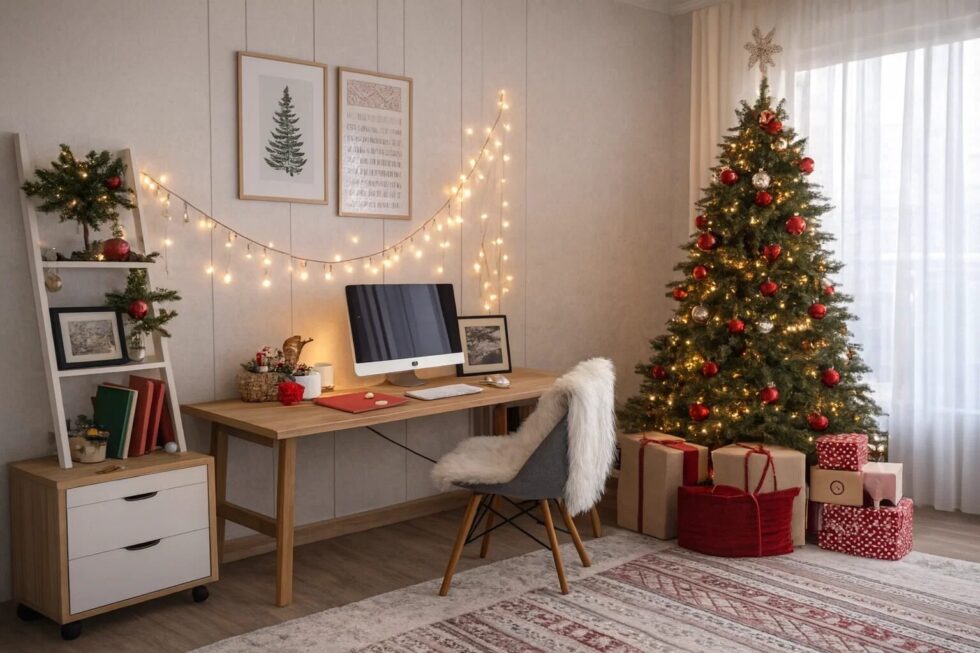
In the living room, string lights can be elegantly integrated into the furniture: wrap them around bookshelves, mirror frames, or create accent lighting around cherished paintings or photographs. This transforms ordinary interior elements into festive decorative objects, giving them a special glow. Another effective technique involves creating light compositions in transparent containers. Fill a large glass vase, a clear bottle, or a decorative lantern with a compact, battery-operated string light. Such a luminary can be placed on a coffee table, chest of drawers, or windowsill, where it will emit a soft, diffused light. This is an excellent way to add warmth to the room without the need for long, cumbersome wires. Always opt for string lights with warm yellow light, as psychologists suggest this color evokes stronger associations with a fireplace and coziness, contributing to an elevated positive mood.
| Room Area | Decoration Technique | Psychological Impact |
| Living Room (Furniture) | Wrapping shelves, framing mirrors. | Transforms ordinary space, high visual engagement. |
| Bedroom (Ceiling/Wall) | Draping lights for a starry effect. | Promotes relaxation, signals calm and safety. |
| Transparent Vases | Battery-operated lights inside clear glass. | Creates soft, scattered light, enhances coziness. |
| Entryway/Hallway | Small, neat lights near the door. | Sets an immediate positive, welcoming tone for all. |
Kitchen Warmth and Bedroom Calm: Focused String Light Decoration
In the kitchen and dining area, string lights help to foster an atmosphere of familial warmth, which is especially important during shared meals and festive gatherings. For the kitchen, it is effective to use string lights to illuminate open shelves where dishes or spices are stored, or to outline the upper contour of kitchen cabinets. This adds a soft layer of light to the workspace without the intensity of main lighting. If you have a bar counter or kitchen island, a thin string light carefully routed along the edge will make this zone festive and inviting. To decorate the dining table, a quick and elegant centerpiece can be created. Place a long strand of string lights (preferably battery-operated to avoid wires) in the center of the table, mixing it with fir branches, pinecones, or berries.
- Kitchen Integration: Use warm lights under cabinets or along open shelving for ambient warmth.
- Dining Centerpiece: Blend battery lights with natural elements (pinecones, greenery) for a magical glow.
- Bedroom Light Quality: Use only low-intensity, non-blinking warm white lights (ideally below 2700K) to preserve sleep.
Stay connected for news that works — timely, factual, and free from opinion — and insights that matter now: Boyfriend Gift Ideas 2026: Experience vs. Gear—Which Should You Choose