



German Pension Vote in Doubt: Coalition Faces Crisis as Key Reform Concession is Pulled
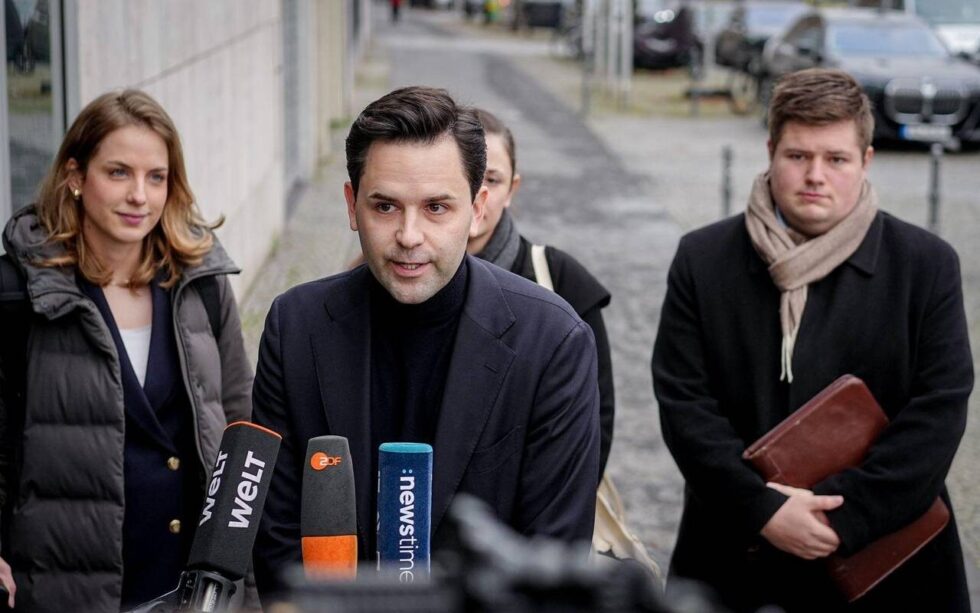
The German Bundestag is preparing for a highly anticipated and critical vote on the landmark Pension Package (Rentenpaket), but political observers are focusing on the entirely unexpected withdrawal of a supplementary resolution motion designed to smooth the path for its passage. This particular motion, which contained binding, detailed stipulations for a much broader, long-term pension reform, was abruptly removed from the legislative agenda at the insistence of the Union political bloc. The document was initially conceived as a vital political concession intended to secure the necessary support from the skeptical "Young Group" within the Union parliamentary faction ahead of the main vote. This rapid political U-turn has thrown the government's procedural stability into question,as reported by NT24.
Despite the procedural setback caused by the motion’s removal, the governing coalition asserts that it will adhere to the core tenets of the Pension Package. The main bill confirms the demands of the SPD by stabilizing the state pension level at 48 percent of the average income until the year 2031, with a commitment to keep it above the statutory minimum thereafter. Crucially, the plan still involves launching a comprehensive and wide-ranging structural reform of the retirement system. The now-retracted resolution motion had outlined precise examination mandates for the designated Pension Commission, which is set to begin its work this December and is tasked with delivering actionable results within six months. The commission’s primary focus will involve scrutinizing a potential higher retirement age and formulating strategies to reduce the financial strain on current contributors and taxpayers.
The underlying catalyst for the Union's demand to withdraw the motion was a controversial clause introduced by the SPD. This specific provision requested the examination of "including further types of income in the calculation of contributions" as a means of securing stable pension financing for the future. Such a measure would imply the potential inclusion of income streams such as capital gains or rental income into the contribution base—a concept that Green Party politician Robert Habeck had previously championed and which the CDU had vehemently opposed during their election campaign. Although the Young Group reportedly viewed the resolution motion largely as a symbolic action, the question of whether the coalition can actually secure the necessary majority for the main vote on Friday remains unresolved. Given the extremely narrow governmental majority of just twelve votes, the coalition is taking significant precautions: Building Minister Verena Hubertz is returning early from her maternity leave to cast her ballot, and SPD MP Sebastian Roloff has cut short his accompanying duties to Federal President Frank-Walter Steinmeier on his state visit to Great Britain to ensure his presence. Furthermore, the opposition Left Party (Die Linke) has publicly declared that it will abstain during the upcoming deliberation.
Stay connected for news that works — timely, factual, and free from opinion — and insights that matter now: Berlin, Ukraine, and the world: RTL seeks over €500,000 in damages from Murat Çolak after filming incident