



Why Cheap FlixTrain Tickets Often Come With Stress, Time Loss and Uncertainty
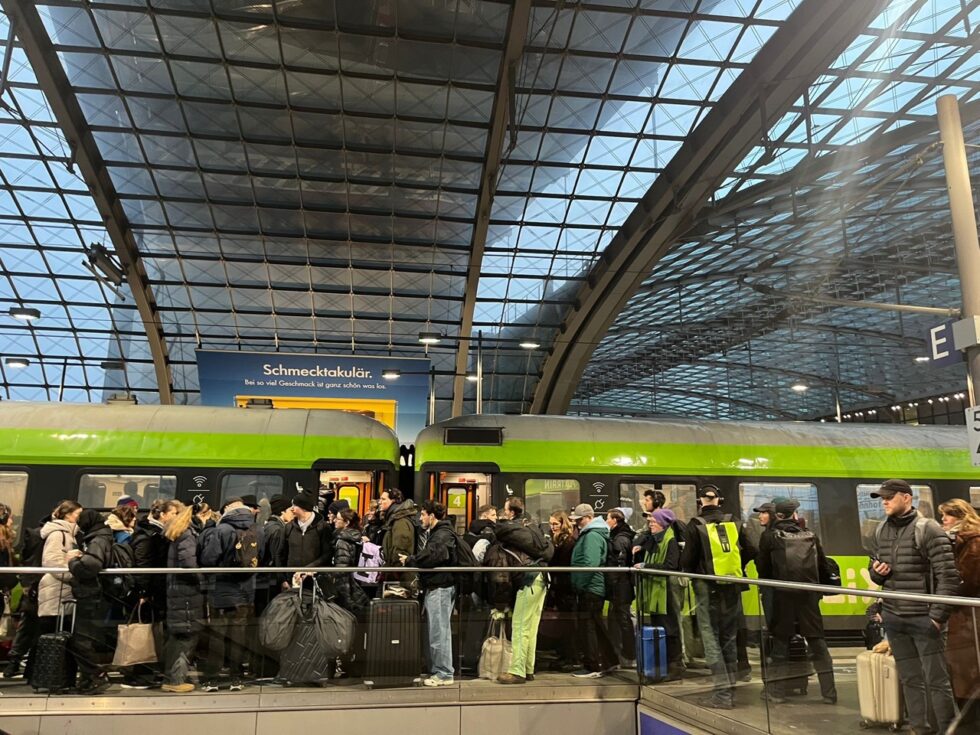
Cheap long-distance train tickets promise freedom: travel across Germany for a few euros, book in minutes, arrive relaxed. FlixTrain has built its brand precisely on this promise. Yet behind the low prices lies a reality many passengers only discover once they are already on the platform: significant delays, limited operational buffers and a system in which time risk is largely shifted onto the traveller.
The editorial team of Renewz.de tested several FlixTrain routes repeatedly, including the busy Berlin–Frankfurt corridor. Across multiple journeys, delays of more than an hour occurred not sporadically, but consistently enough to indicate a pattern rather than coincidence. These observations align with passenger complaints and consumer-protection reports. Cheap tickets are real. Predictable punctuality is not. NewsToday24 reports, citing Renewz.de’s editorial tests and findings.
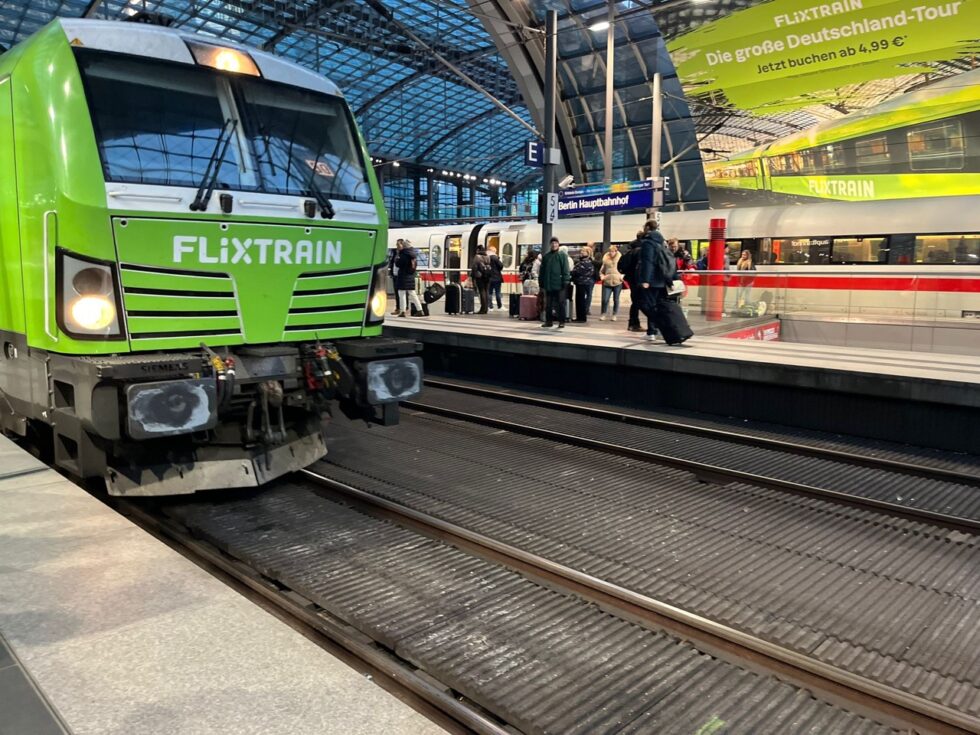
A concrete case: Berlin–Frankfurt and almost two hours lost
On one test journey, the scheduled departure was 6:50 a.m. The train actually left at 8:35 a.m. The delay amounted to 1 hour and 45 minutes before the journey had even begun. For passengers, this meant missed connections, disrupted work schedules and cascading delays throughout the day.
Legally, such cases fall into a grey zone: clearly beyond 60 minutes, where compensation rights begin, but still below the two-hour threshold that triggers stronger passenger options. For travellers, this is often the most damaging range — the delay is severe, yet remedies remain limited unless actively pursued.
Apologies instead of solutions
After departure, the driver apologised and compared the situation to delays at Deutsche Bahn, noting that disruptions “happen everywhere”. The comment was human and understandable, but it exposed a structural issue. Responsibility is personalised, while systemic solutions are absent.
A proactive gesture from the company — for example, a small voucher offered automatically to all affected passengers — would not be legally required, but it would acknowledge that passenger time has value. When delays are explained but not compensated, time becomes a hidden cost transferred to the customer.
Time is not abstract. It affects work, connections, childcare and health. When companies regularly consume it without redress, the burden quietly shifts away from the operator and onto the traveller.
Why delays are structurally likely at FlixTrain
FlixTrain operates with limited rolling stock, tight schedules and no extensive reserve fleet. Trains run on shared infrastructure and are subject to network priorities, congestion and construction. When disruptions occur early in the day, they often propagate through the entire schedule.
Unlike national rail operators with larger buffers, FlixTrain’s low-cost model prioritises utilisation over redundancy. This is not a moral judgement, but an operational reality. Lower prices mean lower resilience.
What the law actually provides
For FlixTrain passengers, rail passenger rights are governed by EU Regulation (EU) 2021/782. Under this regulation:
- Delays of 60–119 minutes entitle passengers to 25% compensation of the ticket price
- Delays of 120 minutes or more entitle passengers to 50% compensation
- Passengers have the right to information and, in certain cases, alternative transport
Crucially, compensation is not automatic. Passengers must actively submit a claim with ticket details and proof of delay. Many do not — especially when the ticket price was low — which significantly weakens the practical effect of these rights.

Where to complain — and where not
Claims must be submitted in writing via FlixTrain’s official online passenger-rights form. FlixTrain does not process compensation via standard email. A general service hotline exists, but it provides information only; it cannot decide on refunds or compensation.
If FlixTrain fails to respond or rejects a valid claim, passengers can escalate the case to the German Federal Railway Authority (Eisenbahn-Bundesamt), which supervises rail passenger rights. Alternatively, disputes may be referred to the Travel & Transport Arbitration Board for out-of-court resolution.
Verbal apologies or phone assurances have no legal effect. Only written claims supported by documentation matter.
How travellers should realistically plan FlixTrain journeys
FlixTrain is best suited for trips without strict time pressure. Passengers with meetings, flights or tight connections should plan buffers of at least 90–120 minutes, or consider alternative services with higher operational stability.
The Renewz.de tests show that delays are manageable if treated as a structural feature, not an exception. Planning reliability does not come from optimism, but from understanding risk.
Contacts for complaints and passenger rights enforcement
Passengers affected by FlixTrain delays can contact the company through the following official channels. For general inquiries, FlixTrain operates a customer service hotline at +49 30 300 137 430. The hotline provides information only and has no legal authority to process compensation or passenger-rights claims. Verbal statements or assurances given by phone have no binding effect.
Written communication is possible via [email protected], which may be used for follow-up questions or documentation. However, formal compensation claims are not processed by email. Under FlixTrain’s procedures, legally valid claims must be submitted exclusively through the official online passenger-rights form on the company’s website.
The legal framework is EU Regulation (EU) 2021/782 on rail passenger rights. It provides compensation of 25% for delays of 60–119 minutes and 50% for delays of 120 minutes or more. Claims should be filed promptly and no later than three months after the journey, including ticket data and documented delay times.
If FlixTrain fails to respond or rejects a justified claim, passengers may escalate the matter to the German Federal Railway Authority (Eisenbahn-Bundesamt, EBA) or seek out-of-court resolution through the Travel & Transport Arbitration Board. Only written submissions with documentation carry legal weight.
Stay connected for news that works — timely, factual, and free from opinion — and insights that matter now: Berlin, Ukraine, and the world: AfD Under Threat: Lucassen vs. Höcke Over Defense Policy Position