


Will the Berlin Summit be able to approve a roadmap for peace in Ukraine
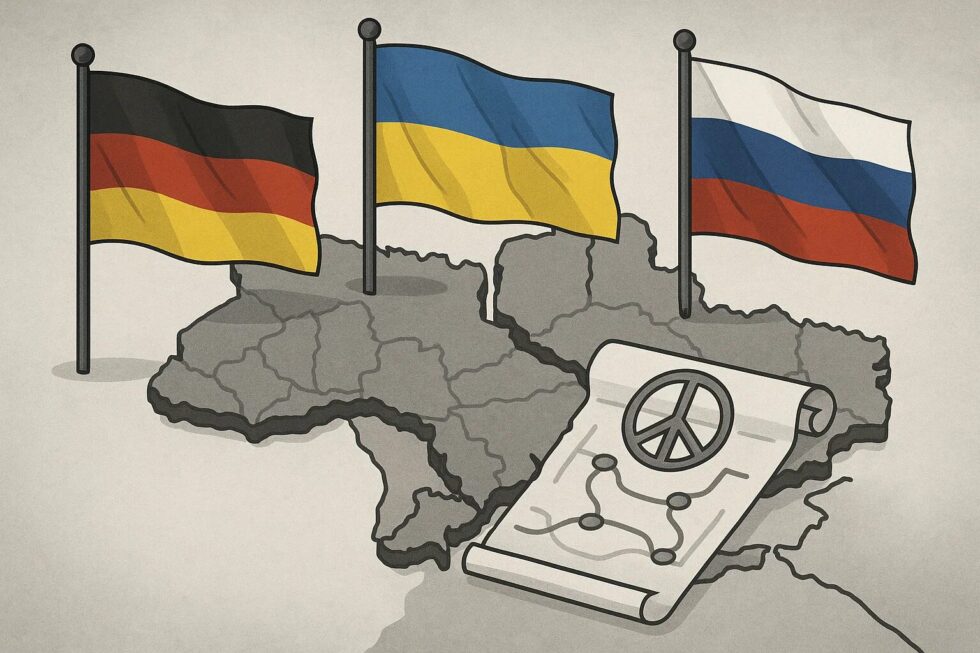
Berlin has emerged this weekend as the central stage for intensified diplomatic efforts aimed at charting a path toward peace in Ukraine. Following the revelation of the 28-point plan initiated by the United States, the German capital is hosting high-level representatives for crucial negotiations. Oleksii Makeiev, Ukraine’s Ambassador to Germany, underscored the meeting's significance by stating that while Kyiv remains the center of courageous people, Berlin will, over the next few days, become the "capital of diplomacy." However, expectations for the outcomes of the talks are varied. Today’s agenda begins with foreign policy advisors from participating nations, including Germany and Ukraine, convening with US Special Envoy Steve Witkoff to outline a concrete roadmap for a potential peace process, as reported by NT24.
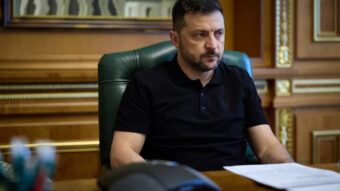
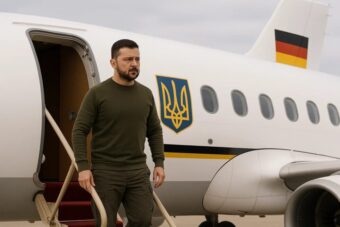
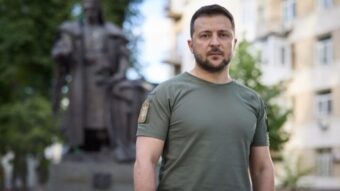
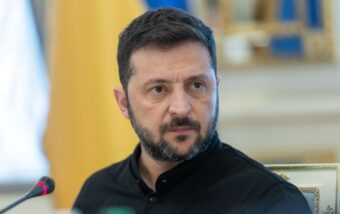
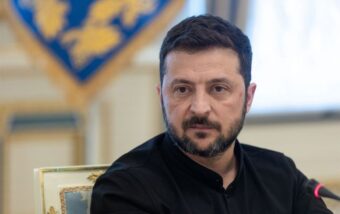
The presence of the US delegation, which includes not only Witkoff but also Jared Kushner, the son-in-law of the US President, is viewed by political observers as a strong indication that progress in the negotiations is possible. Ukrainian President Volodymyr Zelensky has also arrived in Berlin. Tomorrow, he is scheduled to participate in a German-Ukrainian Economic Conference alongside German Chancellor Friedrich Merz. Later in the afternoon at the Federal Chancellery, the main negotiations are expected to include Zelensky, Merz, and other senior political figures such as French President Emmanuel Macron and the UK's Keir Starmer, as well as representatives from the EU and NATO.
Chancellor Merz had previously and repeatedly stressed the imperative for European partners to be fully included in any peace discussions to prevent "peace being made over our heads." He publicly disagreed with initial drafts of the US plan, which had suggested substantial territorial concessions by Ukraine. Merz reaffirmed, in the presence of NATO Secretary-General Mark Rutte, that Kyiv alone holds the right to determine acceptable territorial arrangements. On the subject of a potential ceasefire, President Zelensky stated that a truce along the current front lines would be a "fair option." However, he deemed Russia’s demand for the withdrawal of Ukrainian troops from parts of the eastern regions of Donetsk and Luhansk that remain under Ukrainian control to be unfair, emphasizing that the territorial question remains unresolved and highly sensitive.
Within German domestic politics, consensus is lacking regarding the role of the US delegation. Sara Nanni, the security expert for the Green parliamentary group, expressed criticism regarding the participation of the US representatives. She voiced concerns that the US might exploit the opportunity to manipulate the talks in favor of the Trump clan’s business interests and, in alignment with Vladimir Putin, shift the boundaries of what is considered politically feasible. She demanded that Europe must act independently and intensify pressure on Russia. Conversely, Florian Hahn, State Minister at the Foreign Office for the CSU, called the presence of key US representatives a "strong signal." However, Hahn tempered expectations by telling the Rheinische Post that he "still sees no will for peace" on the Russian side, noting that Putin’s response to the current efforts to end the war remains to be seen.
Stay connected for news that works — timely, factual, and free from opinion — and insights that matter now: Berlin, Ukraine, and the world: Can Zelensky's Negotiations in Germany Guarantee Security for Ukraine Long-Term