


Specialty Coffee in Frankfurt and Wiesbaden: Where craft meets enjoyment
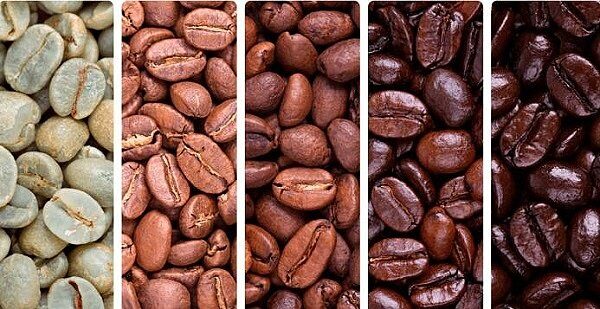
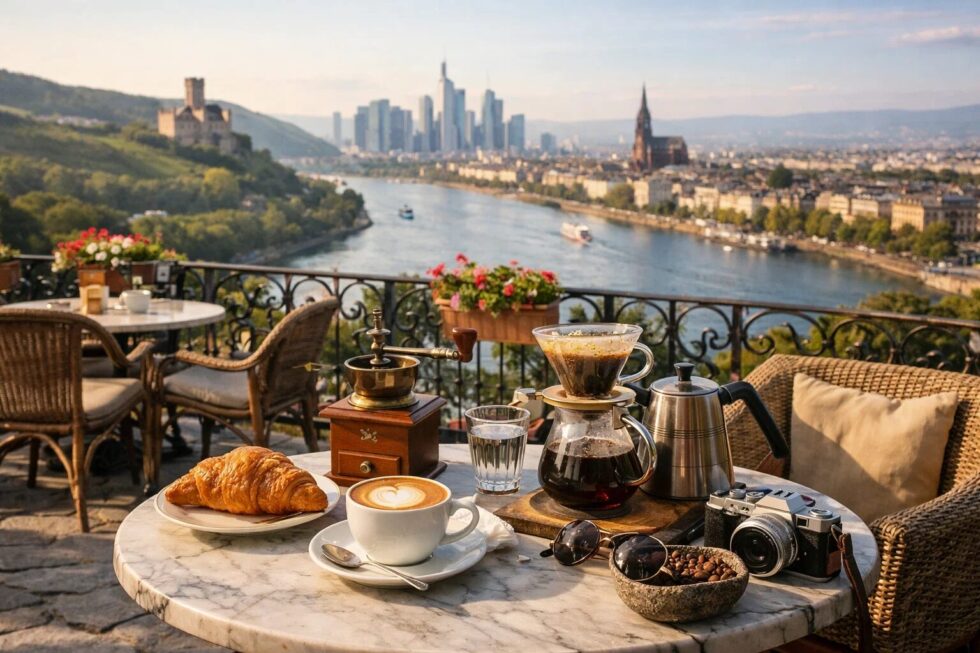
Coffee culture in Frankfurt and Wiesbaden demonstrates a remarkable professionalization in 2025. The metropolis on the Main has long been a hub for international trade, which is directly reflected in the high standards of the local gastronomy. While Frankfurt impresses with speed and efficiency, the state capital Wiesbaden maintains a more traditional but no less precise approach to enjoyment. In both cities, specialty coffee has established itself as an integral part of everyday life, with artisanal perfection and the traceability of beans at the forefront. This development is supported by current market data showing that consumers increasingly value roasting quality and fair trade conditions, reports NT24.
Artisanal excellence in the Frankfurt coffee scene
Frankfurt am Main serves as the pulsating heart of the German financial world and sets benchmarks in the preparation of high-quality coffee specialties. In central locations between the banking district and the Zeil, coffee is much more than just a quick pick-me-up. The professionalism of the baristas is evident in the exact adherence to extraction times and the precise control of water temperature. Many roasteries rely on direct trade relationships with farms in the global South to ensure transparency. The city offers a dense infrastructure of places that prioritize technical precision over purely decorative elements. Guests here particularly appreciate the reproducibility of results, which remains stable even during high customer volumes. Especially the combination of international flair and local roasting art makes Frankfurt an attractive location for coffee connoisseurs. The following selection presents institutions that convince through consistency and professional depth in the Main metropolis.
- Hoppenworth & Ploch, Fahrgasse 7, 60311 Frankfurt am Main, Prices: 3.50–5.00 €, Rating: 4.6.
- Wacker’s Kaffee, Kornmarkt 9, 60311 Frankfurt am Main, Prices: 2.80–4.50 €, Rating: 4.5.
- The Holy Cross Brewing Society, Fahrgasse 7, 60311 Frankfurt am Main, Prices: 4.00–5.50 €, Rating: 4.7.
- Brew Rabbit, Frankfurt city area, Focus on light roasts, Prices: from 3.90 €.
- Aniis, Hanauer Landstraße, Focus on Moroccan influences and quality, Prices: moderate.
- Bunca, Mainzer Landstraße, ideal for commuters with high demands on espresso quality.
Tradition and modernity in the cafes of Wiesbaden
Wiesbaden maintains a completely different rhythm, heavily influenced by its history as a world-class spa city and a sense of aesthetics. Here, coffee culture often takes place in architecturally sophisticated spaces that invite visitors to stay and taste consciously. The local scene is characterized by enormous stability, with long-established roasteries continuously adapting their processes to modern standards. It is less about quick business and more about cultivating a sophisticated neighborhood culture. Quality is understood here as part of the quality of life, which manifests in a quiet and focused atmosphere. In the districts around Wilhelmstraße and the old town, businesses have established themselves that celebrate artisanal roasting as a cultural asset. This consistency means that Wiesbaden is often perceived as a haven of peace compared to the hectic neighboring city of Frankfurt. For visitors and residents alike, the city offers a reliable structure of high-quality destinations for coffee specialties.
| Provider | Location | Specialization | Price Level |
| Maldaner Coffee Roasters | Wilhelmstraße 6 | Classic Roasting | 3.50–5.00 € |
| Brühmarkt | Grabenstraße 28 | Modern Extraction | 3.50–5.50 € |
| Les Deux Messieurs | Goldgasse 13 | French Style | 3.80–5.50 € |
| Kaffeerösterei Müller | City Center | Traditional Craft | 3.00–4.80 € |
| Café Maldaner | Marktstraße | Historic Ambience | 4.00–6.00 € |
| Hepa Kaffee | Rheinstraße | Long-time Roasting | 2.50–4.50 € |
Quality standards and technological aspects of preparation
The evaluation of a cafe today is based on objective criteria such as the freshness of the beans and the purity of the water used. A key feature of premium quality is the use of portafilter machines, which allow manual control of all parameters. Specialty coffee is defined by a point system from the Specialty Coffee Association, where coffees must reach over 80 points. In the leading establishments of the Rhine-Main region, digital scales and refractometers are standard equipment to measure coffee concentration. This guarantees that the customer receives the same taste experience with every visit, regardless of the barista on duty. Milk foam quality plays an equally large role, where the texture must be fine-pored and the temperature not too high. Only this technical rigor allows the complex aromas of the bean, from fruity-acidic to nutty-chocolatey, to be fully released. Modern cafes often communicate these details openly to raise consumer awareness of the craft.
- Use of single-origin beans to highlight specific terroirs and growing regions.
- Daily calibration of grinders taking into account current humidity levels.
- Use of special filter systems to optimize the mineral content in the brewing water.
- Transparent indication of the roasting date on all coffee bean packages sold in-store.
- Staff training in sensory skills and advanced latte art for visual quality.
- Offering various brewing methods such as V60, Chemex, or AeroPress for filter coffee.
Economic importance of the coffee scene in the Rhine-Main region
The coffee sector has developed into a stable economic factor for the Frankfurt-Wiesbaden region in 2025. According to current surveys by the Federal Statistical Office, coffee remains the most popular drink among Germans, with the trend toward high-quality premium products continuing unabated. In Frankfurt, high purchasing power and an international clientele encourage the settlement of new concepts that often serve as pioneers for all of Germany. The combination of retail and gastronomy, where guests can purchase the beans they have tasted directly on-site for home use, secures additional revenue streams for the cafes. At the same time, requirements for sustainability are rising, prompting many operators to invest in reusable systems and fair supply chains. The cafes also function as social hubs and informal workspaces, which is particularly important in the era of hybrid work. Thus, coffee culture is not just a culinary topic, but also a reflection of urban transformation and economic stability.
- Increase in specialty coffee sales by approximately 12% compared to the previous year.
- Growth of local micro-roasteries in the suburbs of Frankfurt and Wiesbaden.
- Integration of digital payment systems and app-based loyalty programs for regulars.
- Focus on plant-based milk alternatives, which now account for over 40% of orders.
- Cooperation with local bakeries to strengthen the regional value-added chain.
- Implementation of cuppings and workshops for customer loyalty and knowledge sharing.
Stay connected for news that works — timely, factual, and free from opinion — and insights that matter now: Berlin, Ukraine, and the world: Rey Akdogan im Haus am Waldsee: Warum diese Ausstellung Berlins Highlight 2026 ist