

Energy Revolution 2026: How German Subsidies are Saving the Crypto Industry
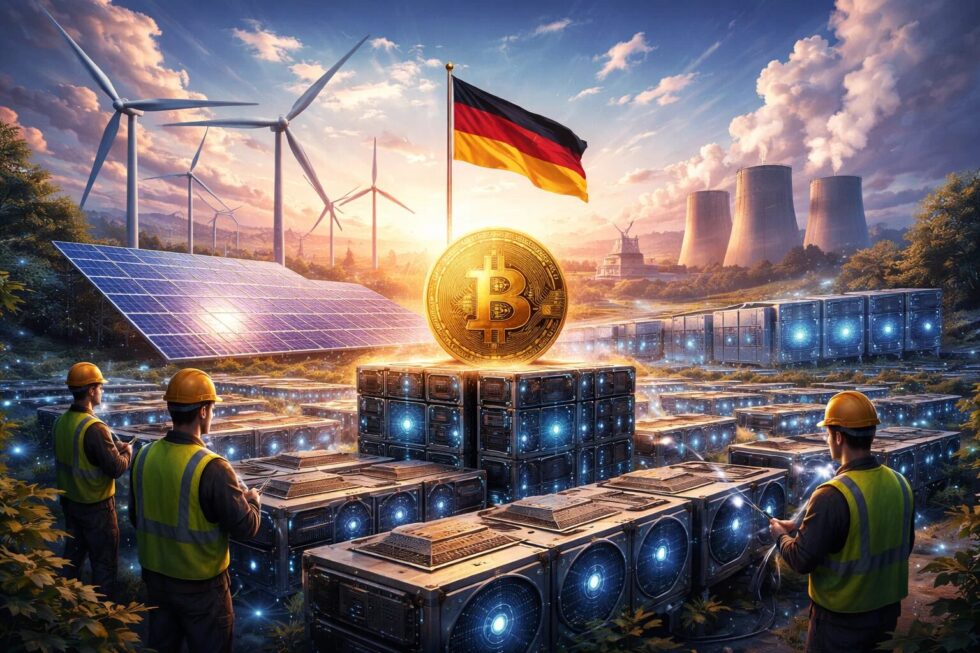
Electricity costs in Germany are experiencing a significant decline in 2026 due to extensive government subsidies, opening up new horizons for the digital economy and the cryptocurrency industry. The federal government is allocating 6.5 billion euros to stabilize grid fees, which directly impacts the maintenance costs of server capacities and data centers. For companies operating with energy-intensive technologies, this translates to an average reduction in grid tariffs of 16 percent. Such measures make local sites from Hamburg to Munich competitive again on the global market. Particular attention is being paid to the integration of blockchain projects into the general power supply system to utilize surpluses from renewable sources. Consequently, Germany is transforming into an attractive hub for environmentally friendly digital innovations. Reported by newstoday24.de.
Reduction of Grid Fees and State Support in 2026
The federal government has decided to direct 6.5 billion euros from the state budget to compensate for the costs of power grid operators. This step allows for a reduction in the final cost of electricity for large consumers, including blockchain node operators and cloud providers, by 16 percent in the current year. The reduction in grid fees removes one of the main barriers to the development of high-tech businesses within the republic. Now, German data centers can successfully compete on price with facilities in Scandinavia or North America. The transparency of the tariff policy provides investors with long-term confidence when planning large infrastructure projects in Bavaria or North Rhine-Westphalia. Experts emphasize that these subsidies are strategically important for maintaining the country's technological sovereignty. In addition to direct savings, this encourages companies to upgrade to more energy-efficient equipment to maximize benefits. The gradual alignment of energy costs across different regions of the country contributes to the flow of capital into previously less developed digital zones.
Key economic benefits of the new energy policy:
- Reduction of grid tariffs by an average of 16 percent across Germany.
- Direct industry subsidies of 6.5 billion euros from the state budget.
- Increased profitability for server and mining site operators.
- Attraction of international investment into German IT infrastructure.
- Lower operating costs for startups in the fintech and data sectors.
- Improved conditions for implementing AI technologies requiring high power.
- Increased business resilience due to predictable electricity prices.
Integration into Green Energy and Utilization of Surplus Capacities
The German blockchain industry in 2026 is heading towards environmental sustainability by using surplus electricity from wind and solar parks. During peak production periods, when energy generation exceeds grid demand, mining rigs and servers can operate on ultra-cheap or even free electricity. This approach helps stabilize the national energy system by acting as a flexible consumer that absorbs excess load. In return, companies gain access to some of the lowest tariffs in Europe, making the process of asset mining or data processing highly efficient. Green blockchain projects are increasingly being integrated into local energy trading systems through Peer-to-Peer platforms. According to reports for 2025, pilot projects in Schleswig-Holstein proved that using only green energy surpluses reduces the carbon footprint by 90 percent. Germany is becoming a global example of how digital progress can go hand in hand with climate goals.
Comparison of operating conditions and energy sources:
| Cost Factor | Conditions before 2026 | Conditions in 2026 |
| Grid Fees | 100% (Base Level) | 84% (With Subsidies) |
| Share of Renewable Energy | approx. 52% | over 65% (Target Level) |
| Equipment Efficiency | Standard Cooling | Heat Pump Integration |
| Regional Incentives | Limited | Expanded for Green Tech |
| Project Profitability | Under Pressure | High due to Cheap Energy |
| Environmental Impact | Moderate | Minimal (Green Blockchain) |
The combination of cheap energy and intelligent load management is turning Germany into one of the most interesting regions for the future of the digital economy. The path to becoming a leader in eco-friendly mining and data processing has been finalized at the state level.
Latest events in politics and global economy at Cryptonews – practical tips on how to act and invest. Read: German Crypto Update 2026: Automated Tax Reports and 50,000 Euro Fines Explained